
When most people hear the words “custom Amish furniture,” they think of a designer sketching a brand new piece from a blank page. That happens sometimes, but it is not the only way custom works. In most cases, custom simply means a piece is adjusted to fit your space, your style, and the way you actually live.
Maybe you love a dining table you saw online, but it is four inches too long for your room. Or you need a dresser that matches a bedroom set you already own. Both are custom projects, even though neither starts completely from scratch.
Understanding this makes the whole process feel far less intimidating. You do not need a finished design or a background in woodworking. You just need to know what you want the piece to do and where it needs to fit.
What Does Custom Furniture Mean at Amish Mercantile?
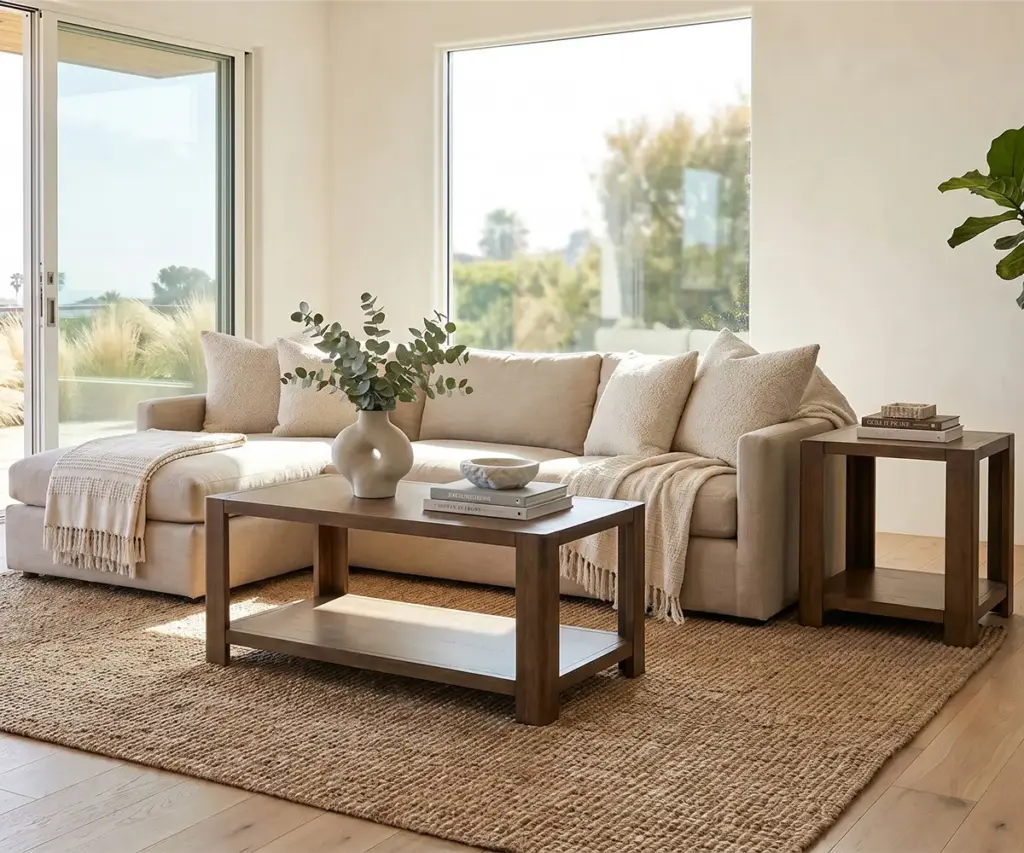
Amish Mercantile offers a full catalog of handcrafted, ready-to-order hardwood furniture. Alongside that catalog, the team also builds custom pieces for bedrooms, dining rooms, living rooms, and home offices.
The process is simple. You share your desired dimensions, design details, wood preference, and stain selection, and the team prepares personalized pricing for your piece. You can also upload example photos so the builders can see exactly what you have in mind.
This means you are never limited to what is on the showroom floor or the website. If you have a clear picture of what you need, there is a good chance it can be built for you.
Made-to-Order Furniture vs. Fully Custom Furniture
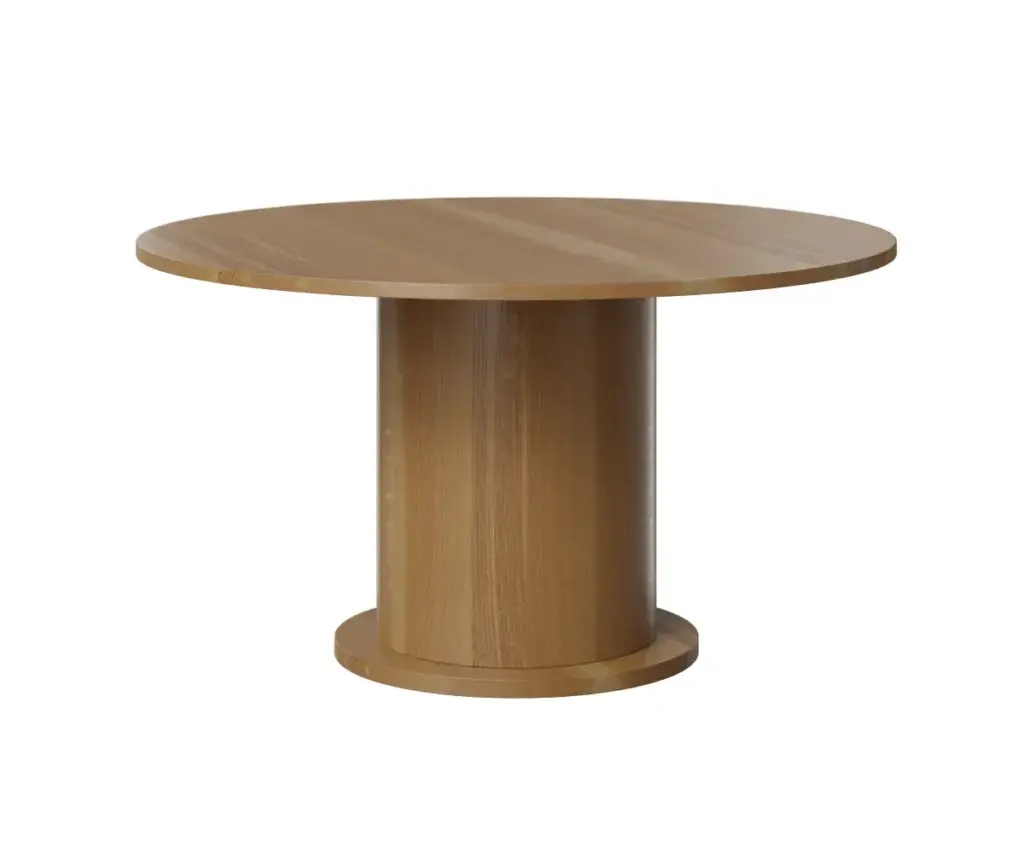
Customization exists on a spectrum, and it helps to know where your project falls. Most requests fit into one of three levels.
- First level: Selecting options for an existing design. You choose the wood species, stain, and hardware for a piece that is already in the catalog. The design stays the same, but the finished piece reflects your taste.
- Second level: Modifying an existing piece. You might shorten a bookcase to fit under a window, widen a table for extra seating, or adjust drawer configurations on a dresser. The core design remains familiar, but the measurements and features change to suit you.
- Third level: Creating a more original piece. This usually starts with an idea, a sketch, or a photograph of something you have seen elsewhere. The builders review your concept and work out how to bring it to life in solid hardwood.
Knowing these levels helps you communicate clearly when you request a quote for your custom Amish furniture.
What Parts of Furniture Can Be Customized?
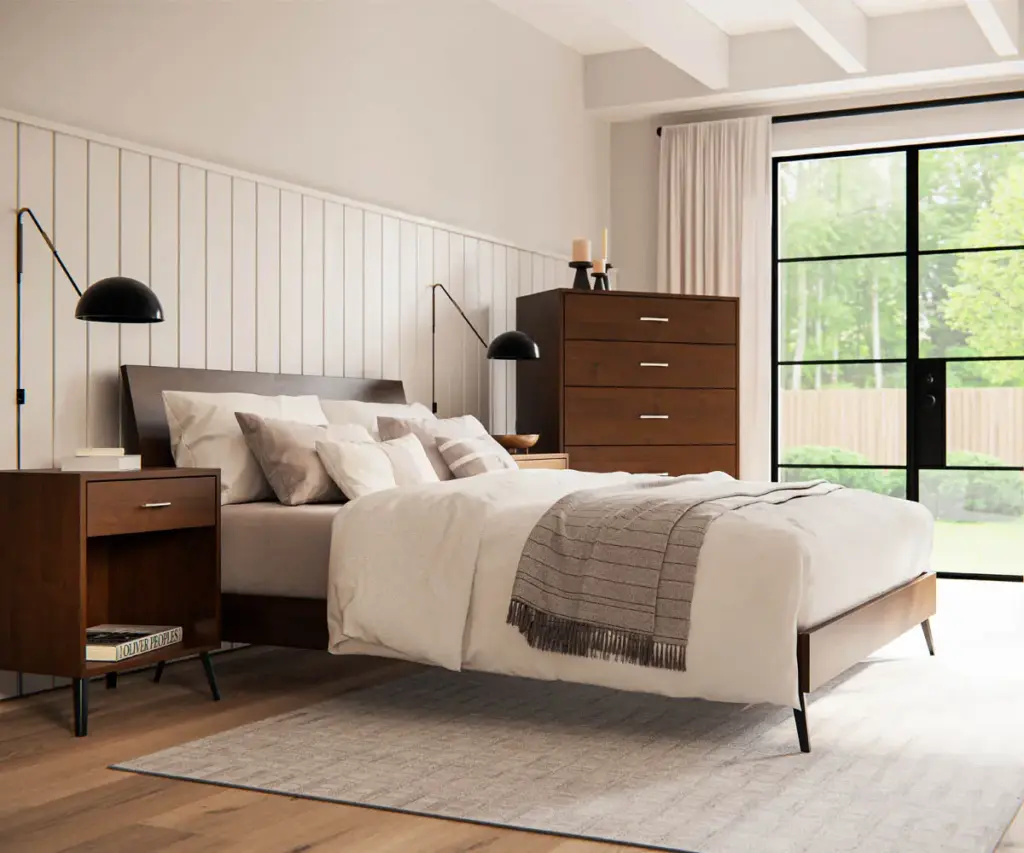
Almost every visible part of a hardwood piece can be tailored in some way. The four areas below are where most customers focus their requests:
Furniture Dimensions
Size is the most common reason people go custom. You can request changes to the width, height, depth, or length of a piece so it fits your room, clears a doorway, or slides into an awkward alcove. A few inches here or there can be the difference between a piece that works and one that never feels right.
Wood Species
The wood you choose shapes the entire character of your furniture. It affects the grain pattern, color, durability, and price.
Amish Mercantile offers numerous wood options, including oak, cherry, walnut, maple, hickory, and quarter-sawn white oak. Oak brings bold, visible grain, while cherry deepens in color over time. On the other hand, Walnut offers rich, dark tones, maple gives a smooth and even look, and hickory adds dramatic natural variation.
Stain and Finish
Once you pick your wood, the stain and finish bring it all together. You can select a finish that complements your existing furniture, your flooring, or the overall style of your home. This is helpful when you want a new piece to blend in with a room you have already decorated.
Design and Functional Details
Beyond size and finish, many practical details can be tailored to your needs. Common requests include storage configurations, table sizes, desk layouts, cabinet arrangements, and shelf spacing. Some customers also ask for pieces designed to match furniture already in the room.
Not every feature on every design can be changed, and that is okay. The best approach is to submit your idea and let the team review what is possible. You may be surprised by how flexible skilled builders can be.
How the Custom Furniture Process Works
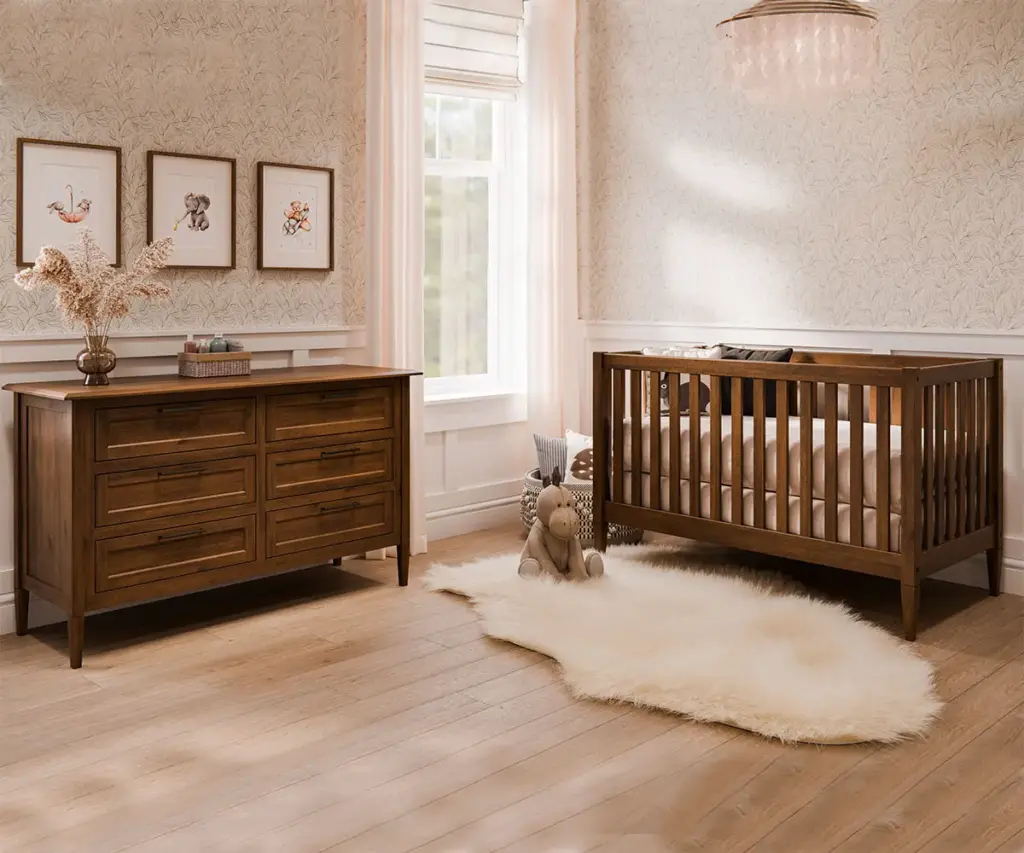
The path to a custom piece is simpler than most people expect. Here is how it typically goes:
- Decide what type of furniture you need.
- Measure the available space carefully.
- Gather photographs or inspiration examples.
- Select your preferred wood and finish.
- Submit the custom furniture quote form.
- Review the proposed design, specifications, and pricing.
The current quote form asks for your ZIP code, project details, wood type, stain or finish, and example photographs. The more detail you provide, the more accurate your quote will be.
What Should You Prepare Before Requesting a Quote?
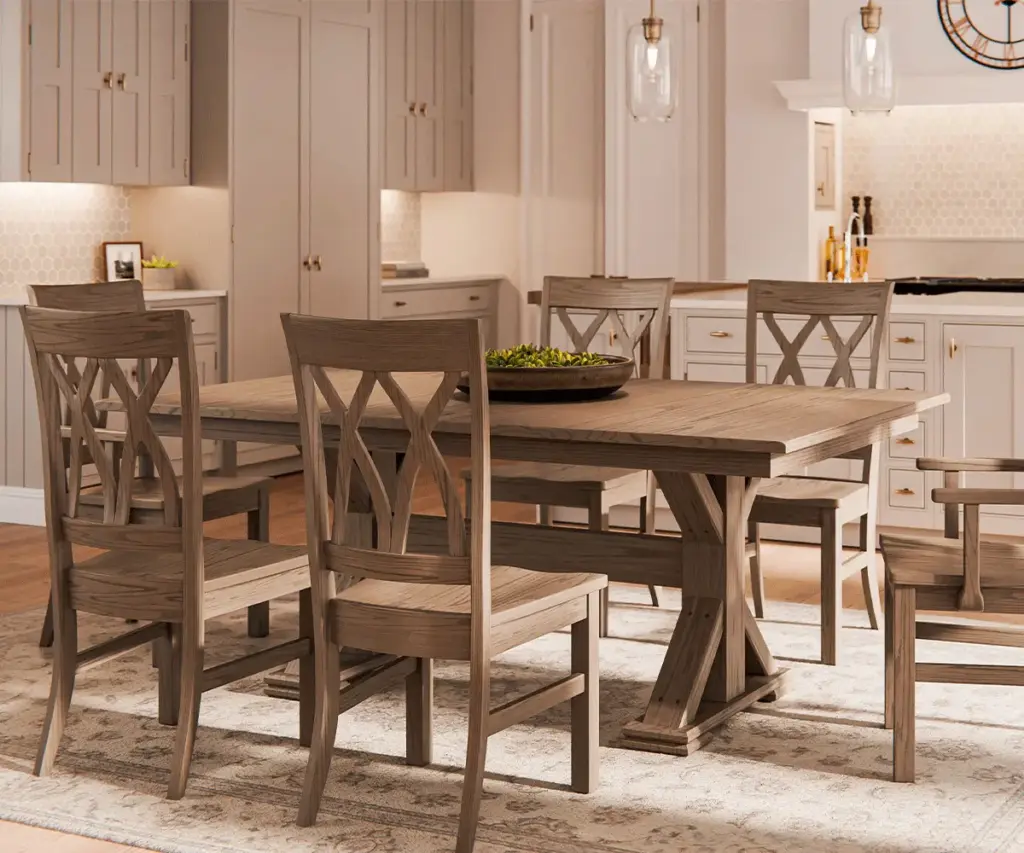
A little preparation goes a long way. Before you fill out the form, try to gather a few details.
Start with exact room and furniture measurements, including ceiling height and doorway widths if the piece is large. Then write a few notes about how you plan to use the piece, since a desk for daily work needs different features than one for occasional use.
Next, note your preferred wood and finish, and collect any inspiration photographs you have saved. Finally, list any storage or functional features you need, along with details about nearby furniture the new piece should match.
When Is Custom Furniture Worth Considering?
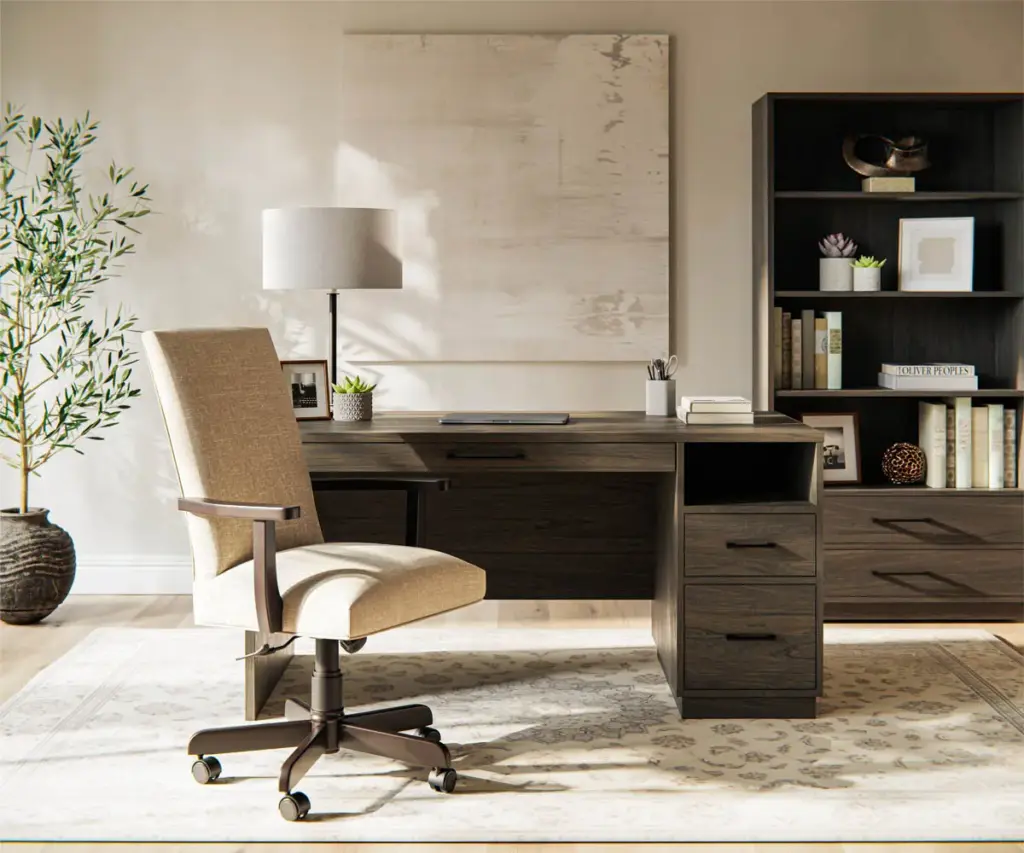
Custom is not always necessary, but in certain situations it is clearly the better choice. It makes sense when standard furniture does not fit your available space, or when you need a table or desk in a very specific size.
It is also worth considering when you need to match existing furniture or your room calls for unusual storage. It is also ideal for when you simply want a distinctive heirloom piece your family will keep for generations. If any of these sound like your situation, a custom build will likely serve you better than anything off the shelf.
Does Customization Affect Price and Lead Time?
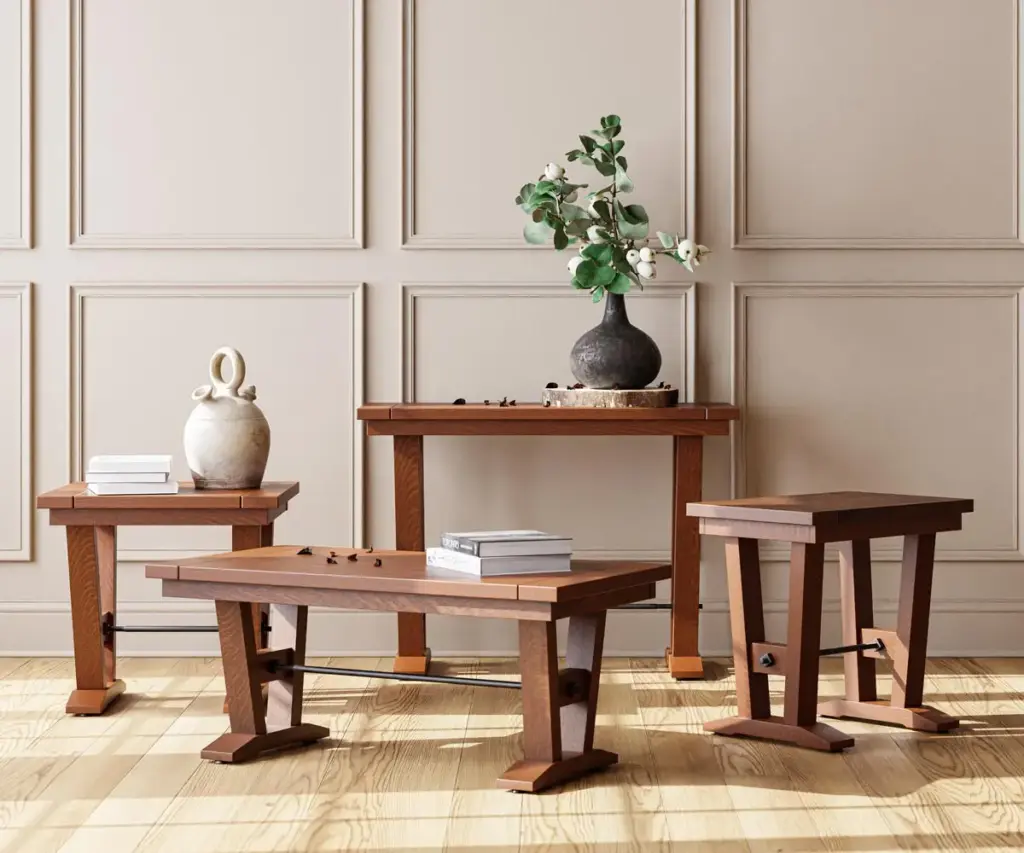
Customization does influence both cost and production time. Factors like dimensions, wood selection, design complexity, and special features all play a role.
A larger piece uses more material, and premium woods like walnut typically cost more than oak or maple. Intricate details and unusual designs also take more time in the workshop. Since every project is different, the best way to get real numbers is to request a personalized quote.
Examples of Custom Amish Furniture
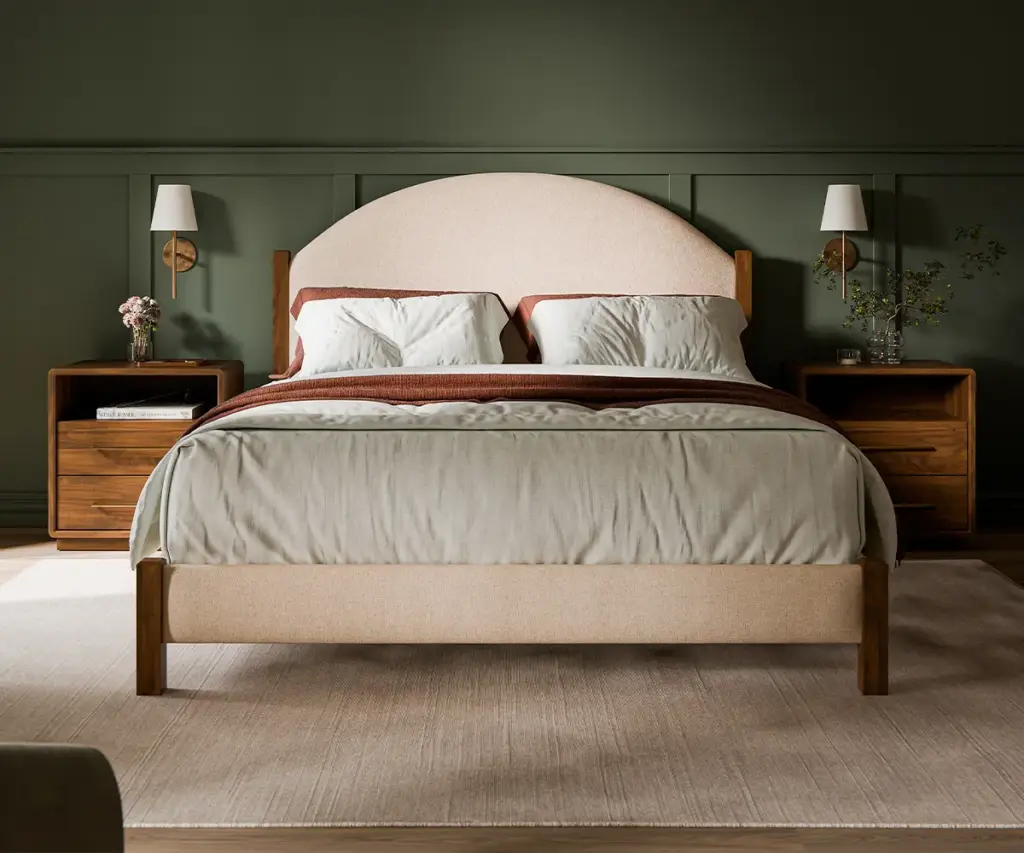
Still not sure what a custom project looks like in practice? Here are a few common scenarios:
- A family orders a dining table built to seat exactly ten guests for holiday gatherings.
- A remote worker requests a desk sized precisely for a small home office corner.
- A homeowner asks for a cabinet designed around an unusual wall space between two windows.
- A customer orders a bedroom piece matched to a collection they bought years ago.
Each project starts the same way, with a clear idea and a simple quote request.
Start Planning Your Custom Furniture
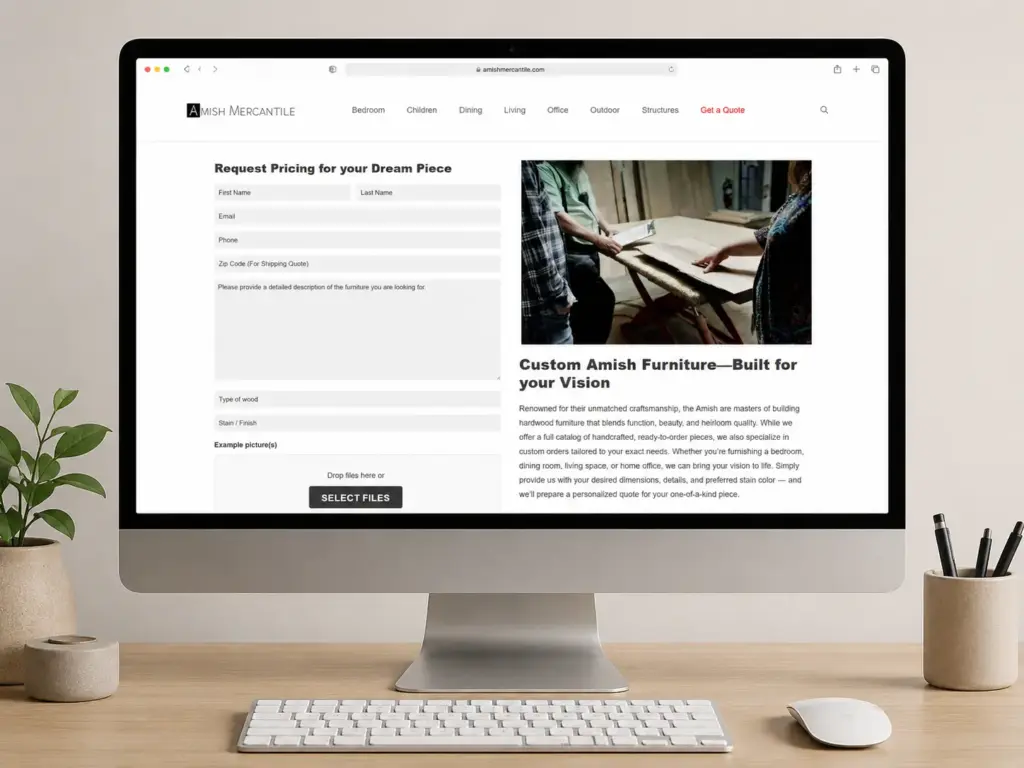
Your perfect furniture piece has to exist in your imagination, backed by a few good measurements. Visit the Amish Mercantile’s Custom Furniture page and submit your dimensions, preferred wood, finish, and inspiration photos to request personalized pricing.