
How to choose dining room furniture starts with more than finding a table you like. Your dining room is where everyday meals, holiday gatherings, homework sessions, and long conversations happen. The right furniture should feel comfortable on an ordinary Tuesday while still welcoming guests.
At Amish Mercantile, we believe dining furniture should be beautiful, functional, and made to serve your home for years to come. Use this guide to choose a dining room table, chairs, storage pieces, and finishes that work together.
1. Begin With Your Room Measurements
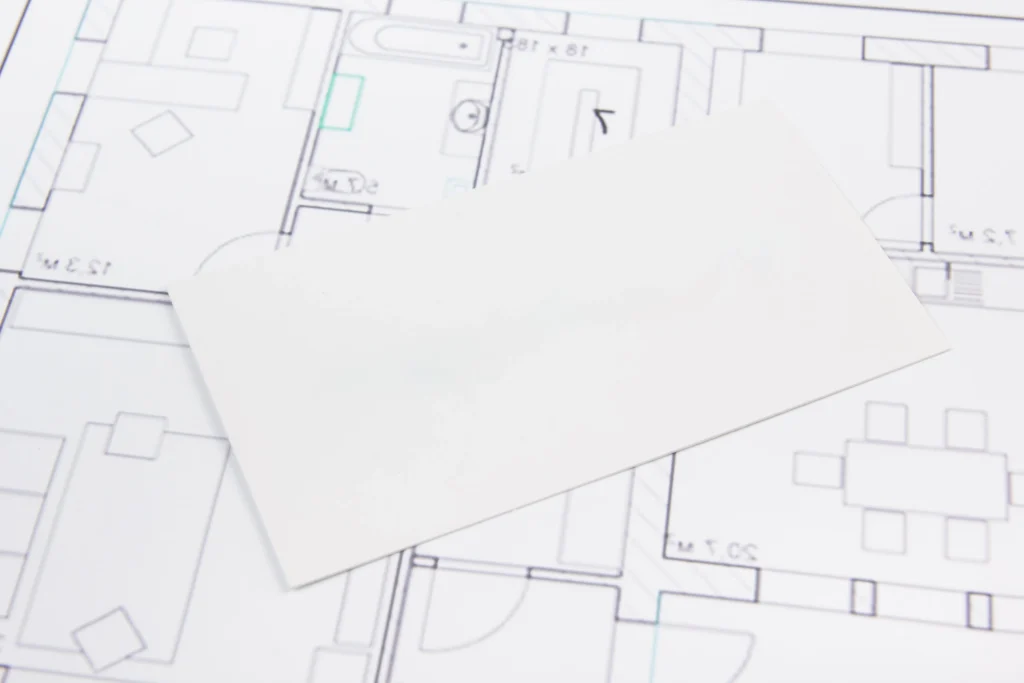
Before falling in love with a dining room set, measure the room. A table may fit on paper but still make the space hard to move through once you add chairs, people, and nearby furniture.
As a general guide, leave:
- 36 inches between the edge of the table and a wall or piece of furniture for comfortable chair movement.
- 44 to 48 inches in high-traffic areas, such as a path between the kitchen and another room.
- At least 32 inches in a low-traffic area when space is limited.
Measure the usable dining area, then subtract clearance from each side. The remaining space gives you a realistic maximum table size.
Remember to account for a hutch, buffet, serving cabinet, or kitchen island if you plan to add dining storage. Planning the complete layout early helps the room feel intentional rather than crowded.
2. Choose Seating for Everyday Life First
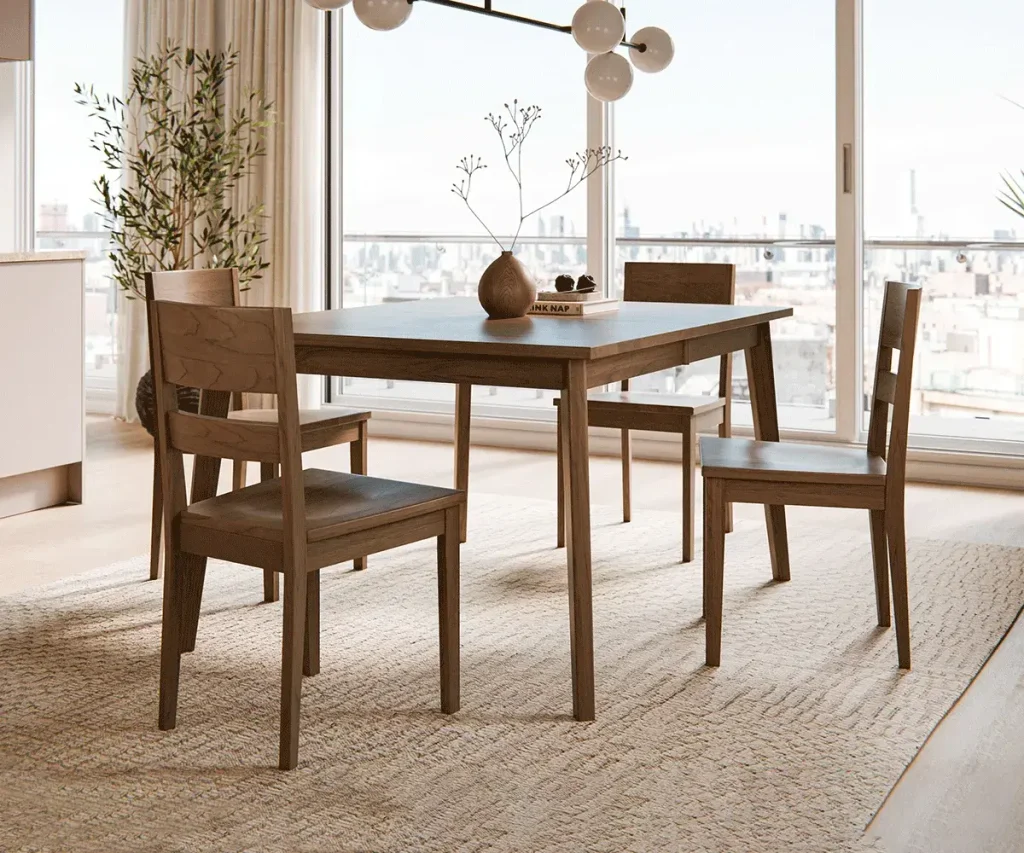
A common mistake is buying a table based only on the largest holiday gathering of the year. A better approach is to choose a comfortable everyday setup and build flexibility into your guest plan.
Ask yourself:
- How many people eat here most days?
- How often do you host family or friends?
- Do children need easy-to-clean, durable seating?
- Would an extension table make more sense than a permanently oversized table?
For many homes, an extendable dining table is the answer. It keeps the room open for daily life, then gives you extra space when company arrives. A leaf can often add room for two additional guests, depending on the table’s size and base design.
3. Match the Table Shape to the Space
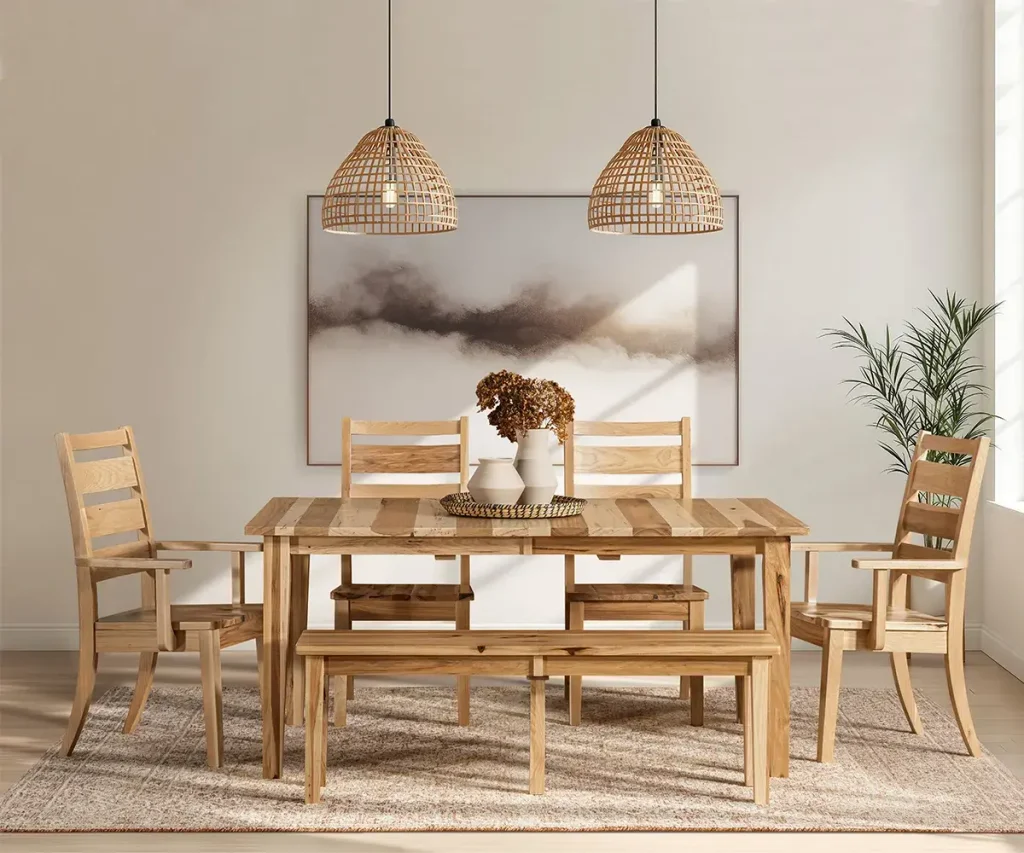
The shape of your dining table affects traffic flow, seating, and the room’s overall feel.
“A long, rectangular room should have a long, rectangular or oval table. A square room looks best with a round table.”
— Bethany Adams, interior designer
Rectangular Tables
A rectangular dining table is a natural choice for long rooms and larger gatherings. It is also one of the easiest table shapes to expand with leaves. If your household hosts regularly, a rectangular solid wood dining table offers dependable flexibility.
Round Tables
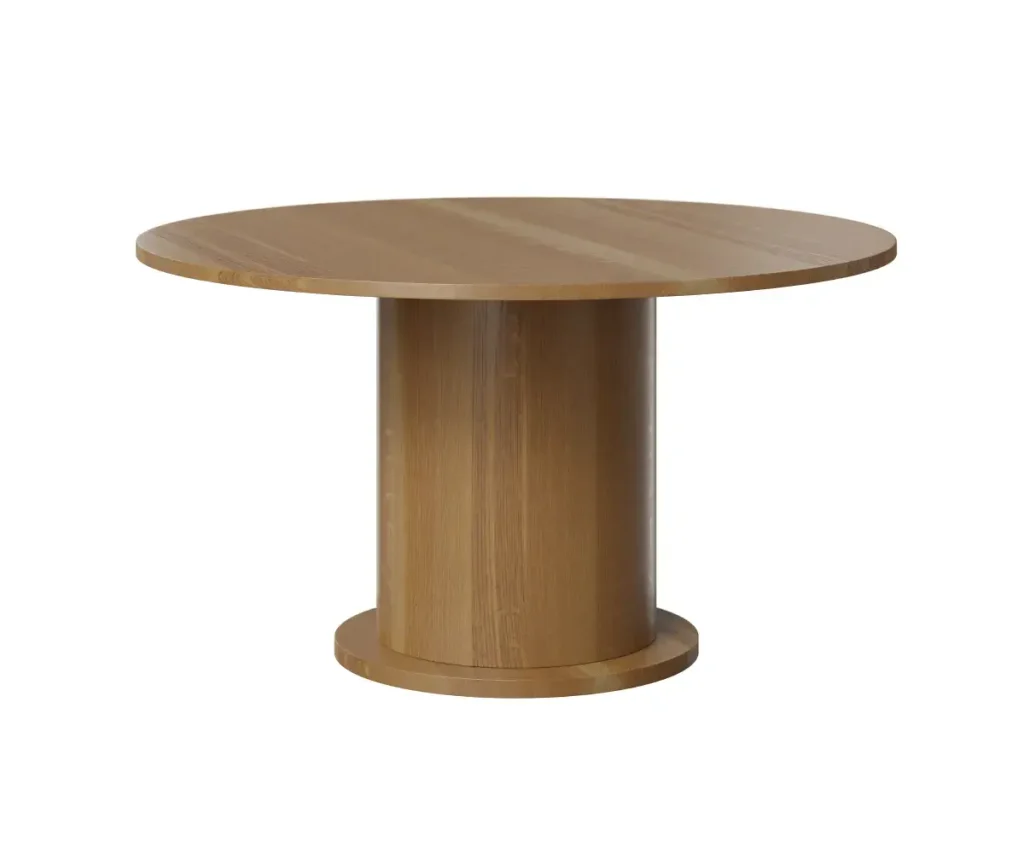
Round tables are especially useful in square rooms, breakfast nooks, and smaller dining spaces. With no corners to navigate, they keep walkways open and create a more conversational setting. A pedestal base can make seating even easier.
Square Tables
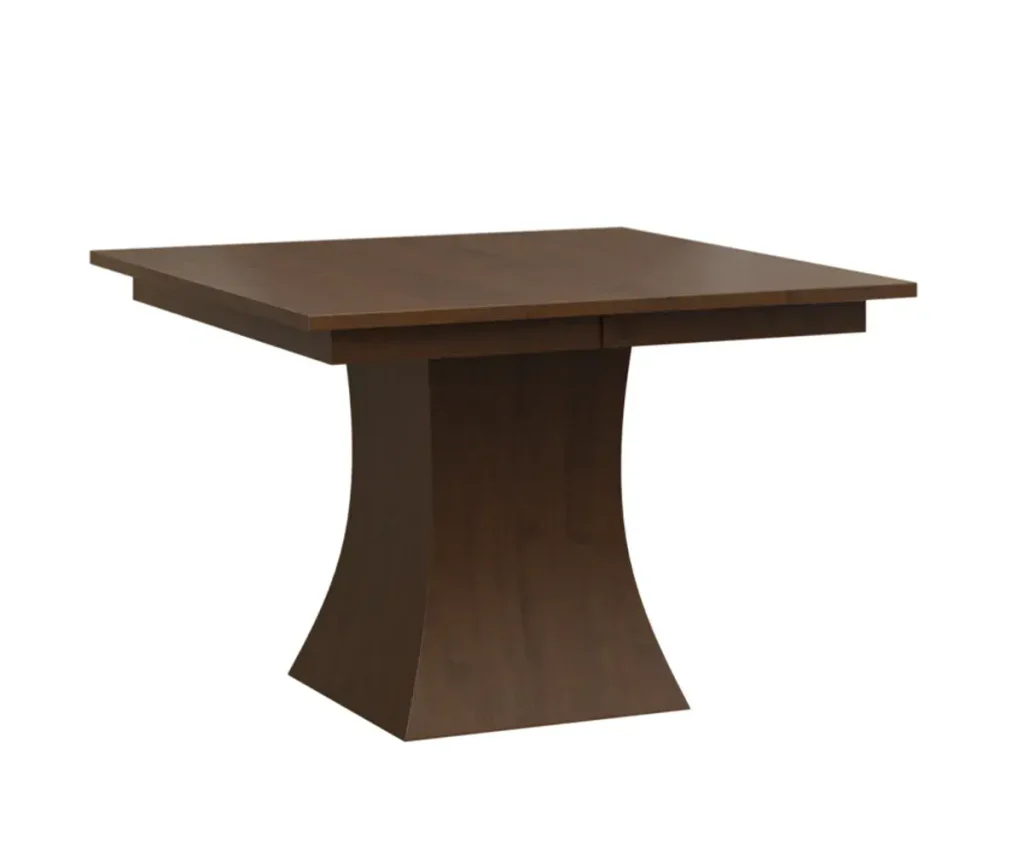
Square tables work well for four-person households and balanced, square-shaped rooms. They create an intimate setting, although they are usually less adaptable for larger groups.
Oval Tables
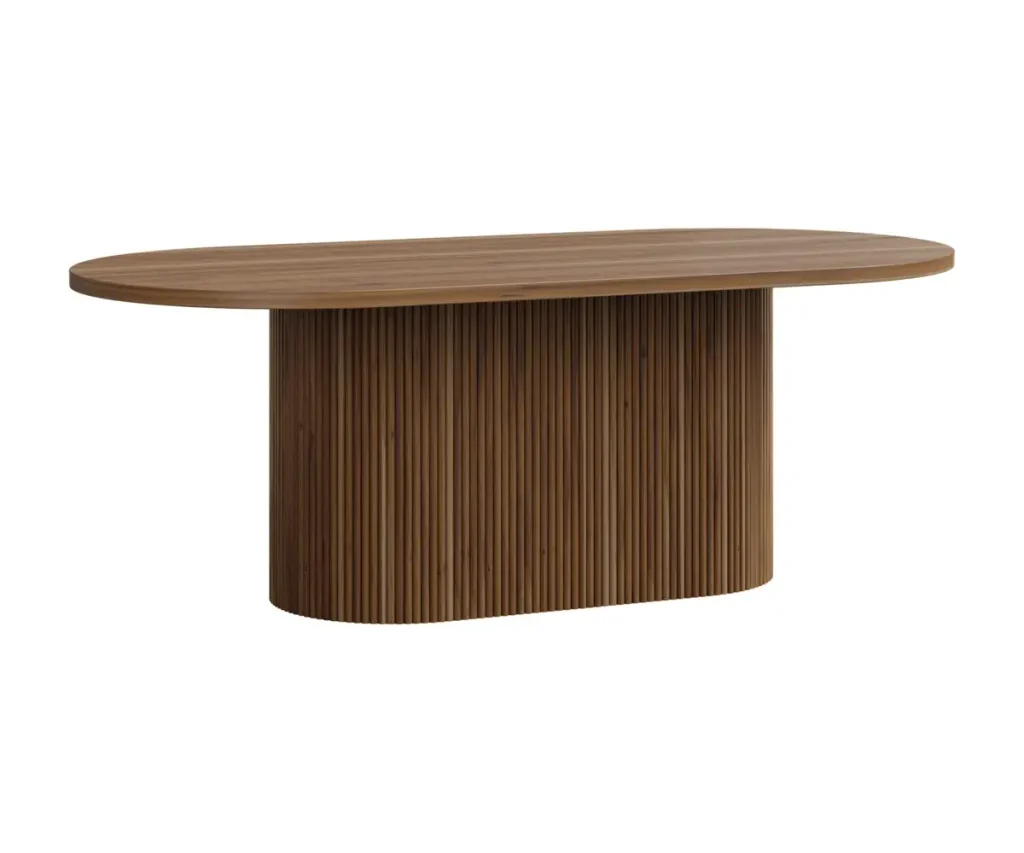
An oval table provides some of the seating capacity of a rectangle without sharp corners. It is a smart option when you want a softer look or need to improve movement around the table.
4. Consider the Table Base Before You Choose
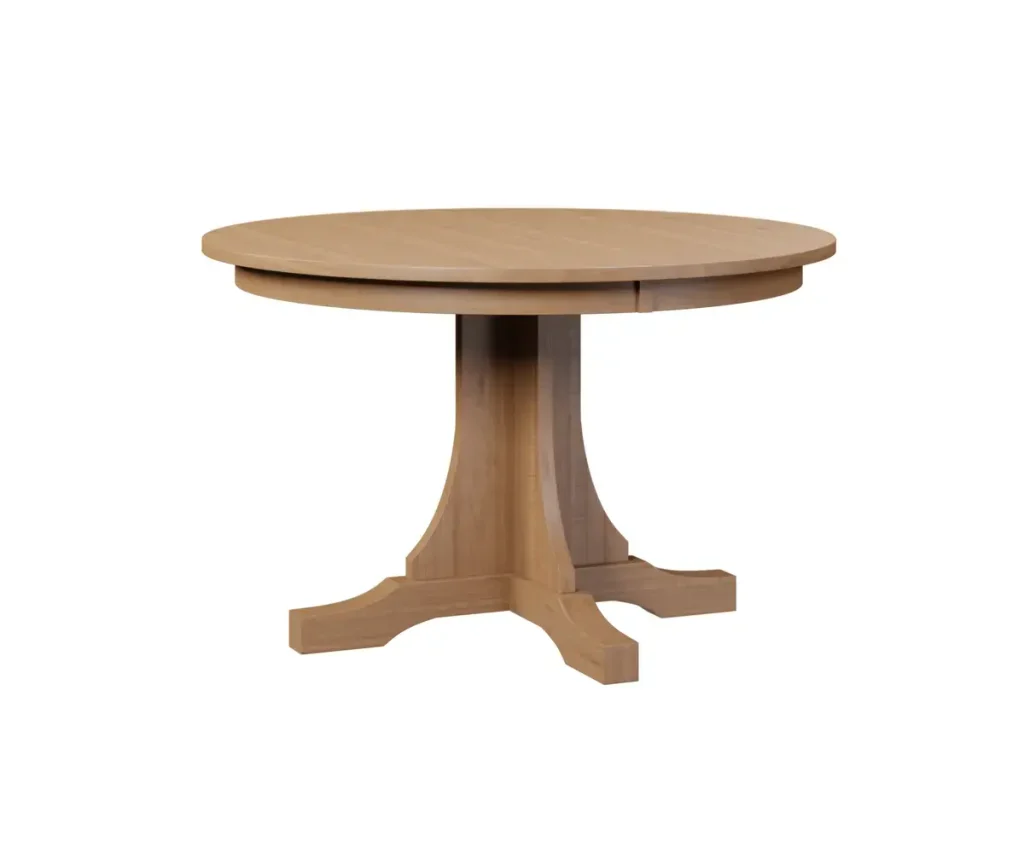
The table base strongly affects legroom and chair placement.
- Leg tables offer a classic look, but corner legs can limit where chairs fit.
- Pedestal tables eliminate corner legs, making them especially convenient for round tables and flexible seating.
- Trestle tables bring visual weight and strength to a larger dining room. Just make sure the trestle placement leaves comfortable room for knees and chairs.
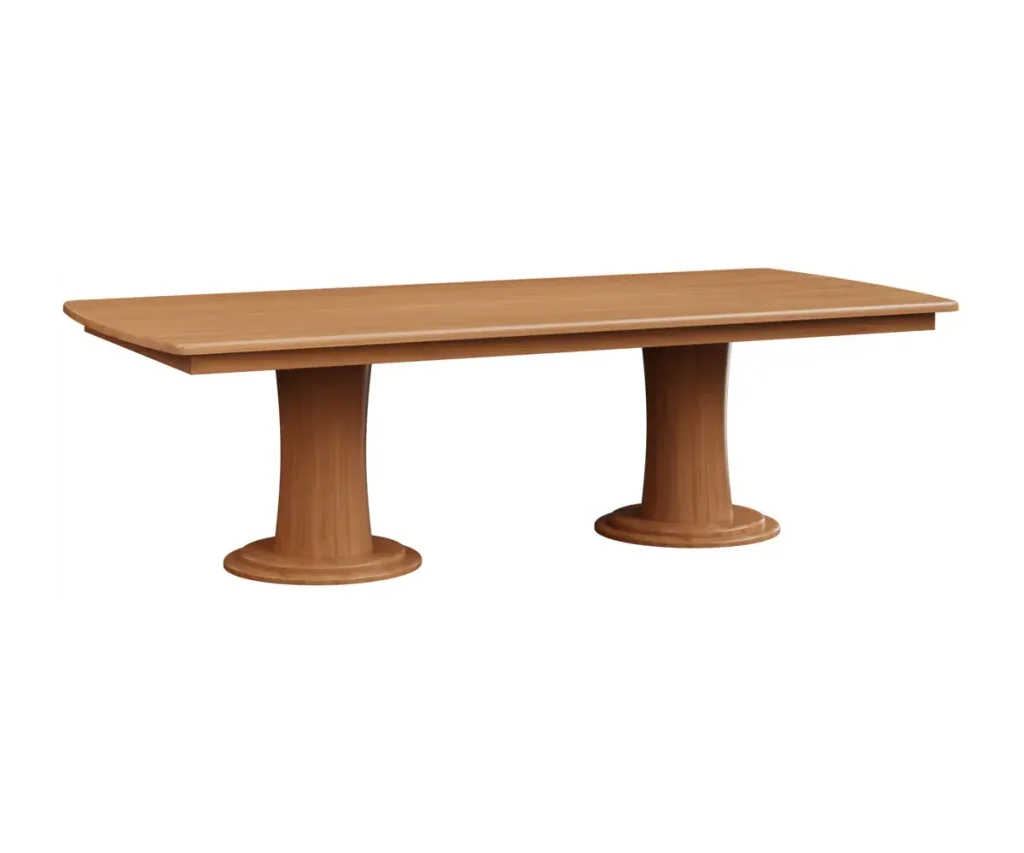
- Double-pedestal tables can provide the same substantial look while creating generous seating at the ends.
Before finalizing your choice, consider where each chair will sit—especially armchairs at the heads of the table.
5. Select Dining Chairs for Comfort, Not Just Appearance
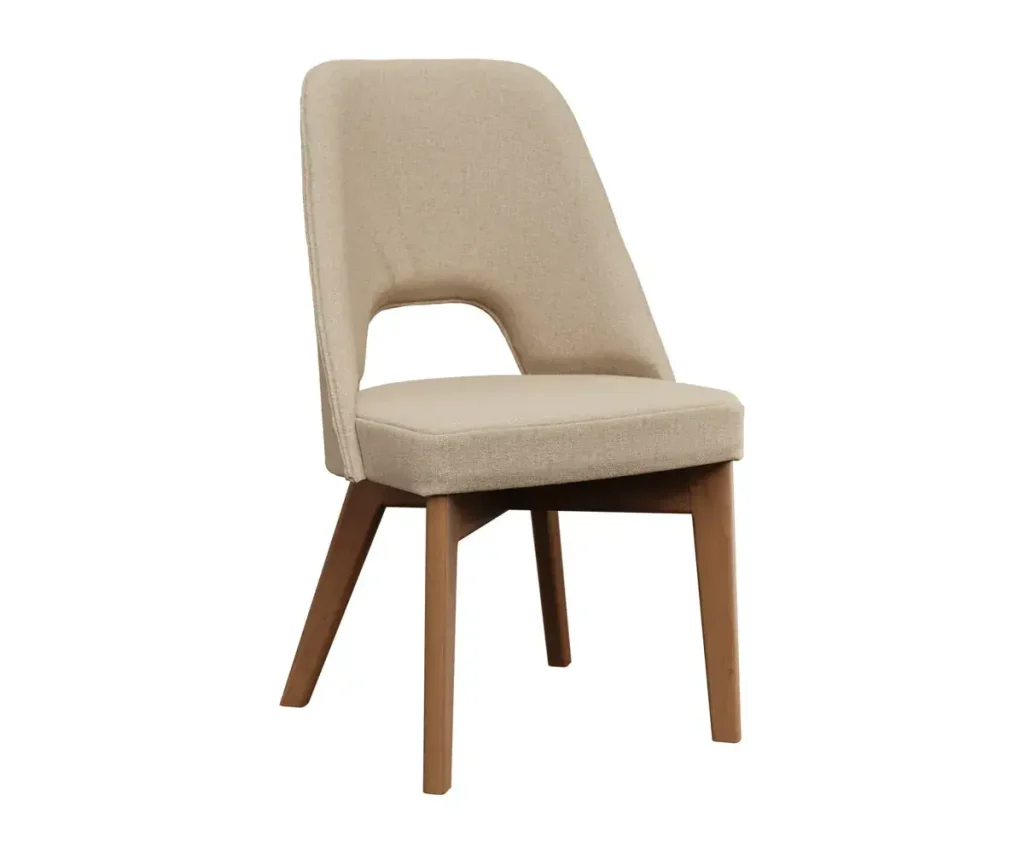
A dining room table and chairs should look coordinated, but comfort deserves equal attention. Standard dining tables are generally about 30 inches high, and most dining chairs have a seat height between 17 and 19 inches.
When choosing chairs, consider:
- Seat height and clearance beneath the table apron
- Seat depth for comfortable posture
- Back support for longer meals and gatherings
- Armchair width, especially if chairs need to slide under the table
- Upholstery that suits your household’s needs
Wood chairs are timeless and easy to coordinate with a handcrafted table. Upholstered dining chairs can add softness and comfort, while performance fabrics are a practical choice for busy homes, children, and frequent entertaining.
6. Add Flexibility With Leaves, Benches, and Extra Chairs
Your dining room does not need to seat everyone every day. A few flexible choices can make the room work harder without feeling overfilled.
An extension table provides the most seamless solution for entertaining. You may also keep one or two extra chairs in another room and bring them out when needed.
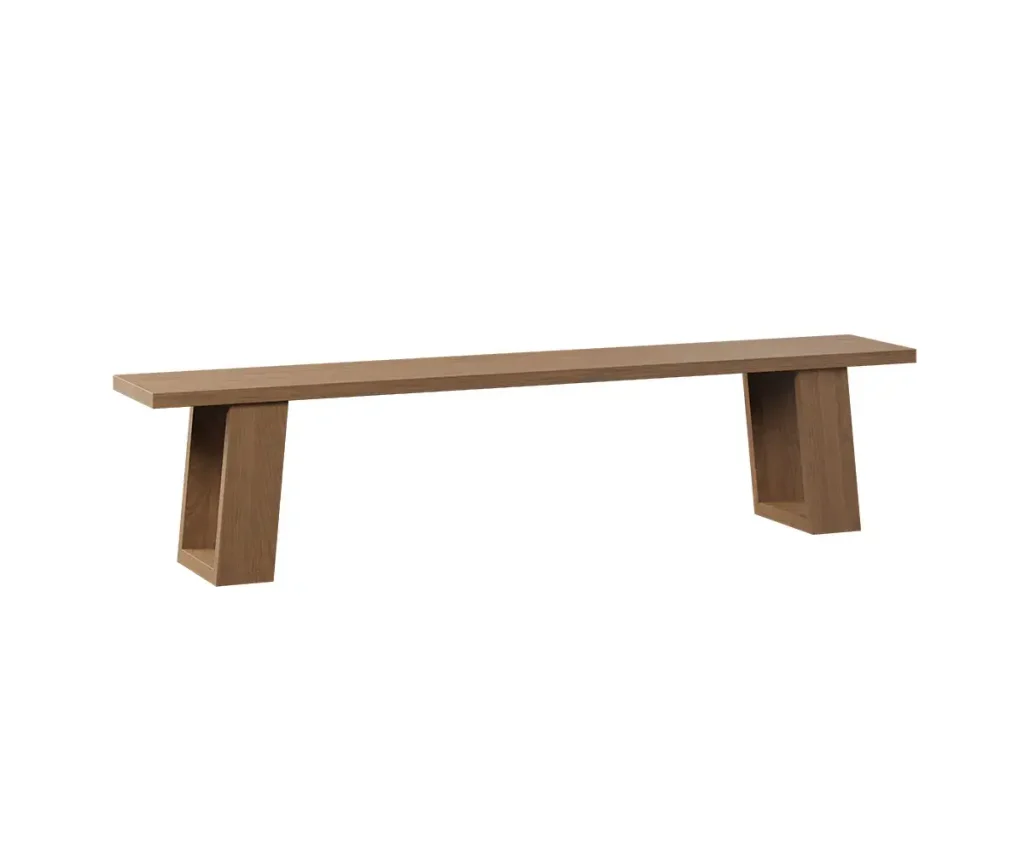
A dining bench can be another useful option, especially when you want seating that tucks neatly below the table. Benches work well for families with children and tighter walkways. For the best of both worlds, consider a bench on one side of the table and chairs on the other.
For households that host older guests frequently or enjoy long, leisurely meals, individual chairs may offer easier access and greater comfort.
7. Decide Between a Matching Set and a Collected Look
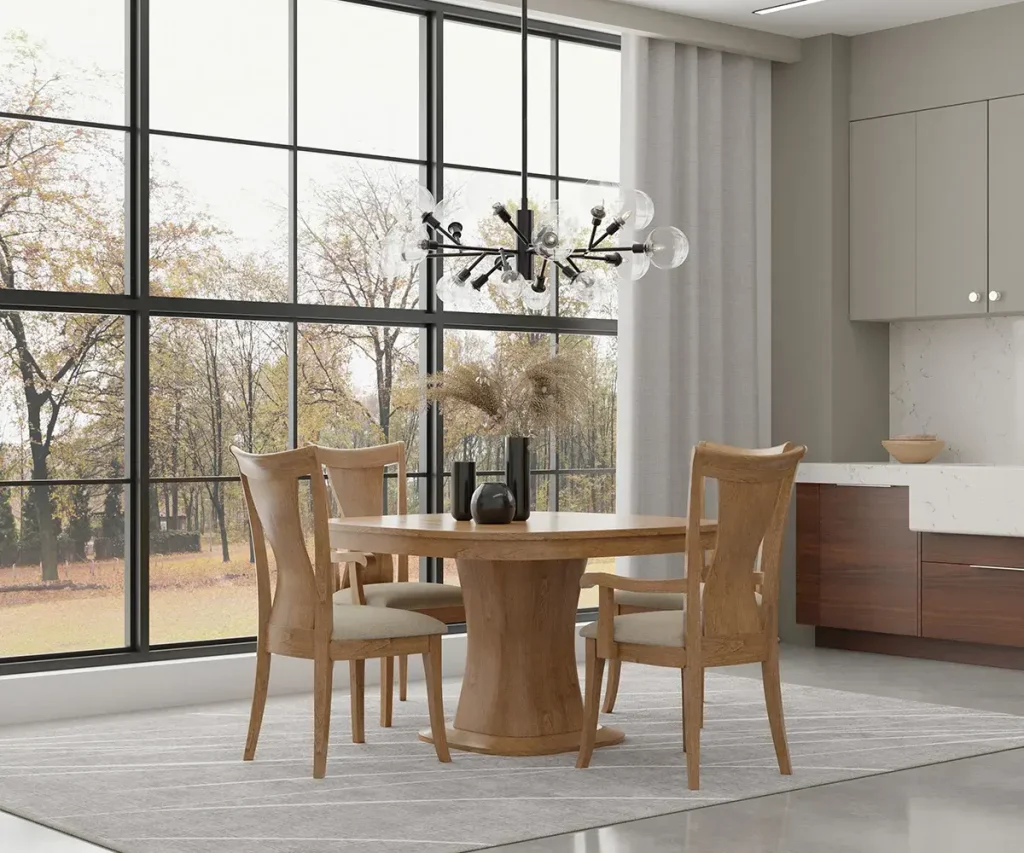
A matching dining room furniture set is a simple, polished choice. A coordinated table, chairs, and storage piece create a cohesive room with less decision-making.
If you prefer a more personal look, mix materials and styles with intention. For example, pair a solid wood dining table with upholstered chairs, or use a different chair style at each end. The key is to repeat a unifying element, such as wood tone, finish, fabric color, or design era.
A carefully mixed dining room can feel collected over time while still looking connected.
8. Choose Wood Species and Finish With Your Home in Mind
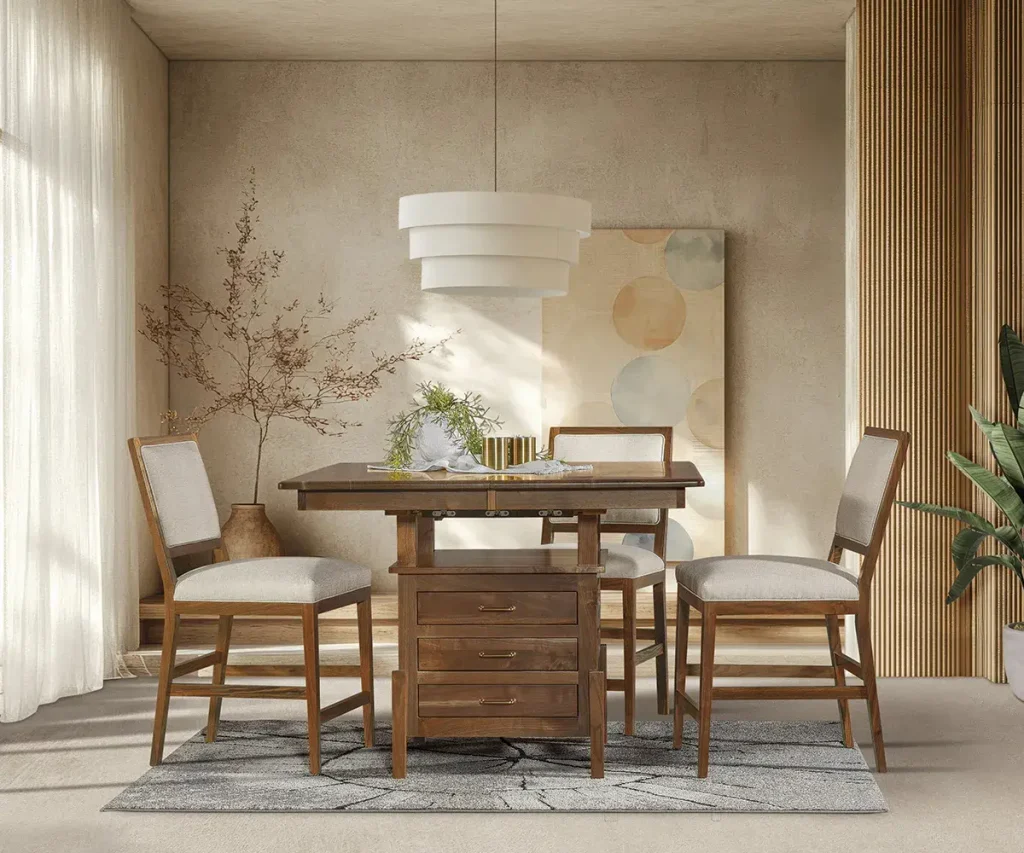
Wood species and finish are where a dining room becomes distinctly yours. Amish Mercantile offers a range of wood options, including brown maple, cherry, oak, hickory, walnut, and maple varieties, allowing you to choose a look that complements your home.
When selecting a finish:
- Match undertones for a calm, cohesive look.
- Use contrast deliberately, such as a darker table with lighter upholstered chairs.
- View samples in your actual home whenever possible—daylight and evening lighting can change how a finish appears.
- Consider your lifestyle. A finish that looks beautiful in a showroom should also work with the realities of your household.
Solid wood dining room furniture develops character over time and brings warmth that mass-produced pieces often cannot match.
9. Do Not Forget Dining Storage
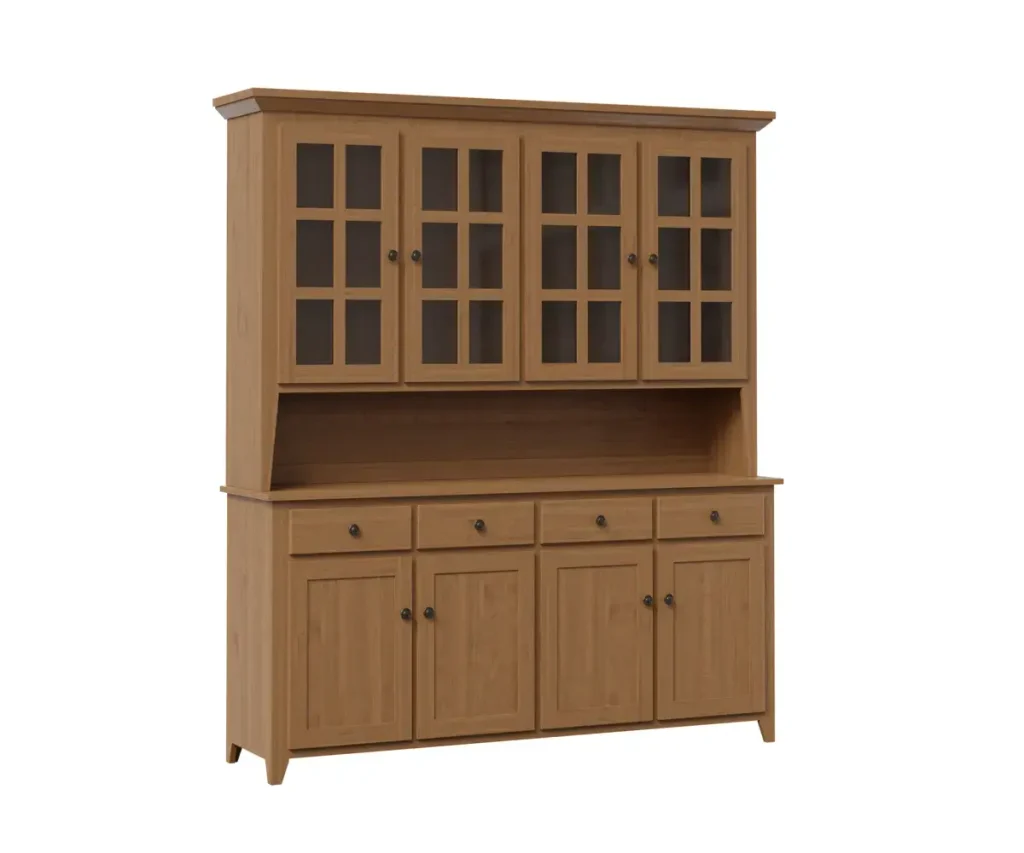
Dining storage adds function and visual balance. A hutch, buffet, serving cabinet, or storage cabinet can hold dishes, linens, serving pieces, and the items you use when entertaining.
Choose storage based on what you need to reach within. A buffet may be ideal for serving, while a hutch adds display space for cherished dishes or décor. In a smaller room, a carefully sized storage cabinet can provide needed function without overwhelming the layout.
10. Consider Custom Furniture for a Better Fit
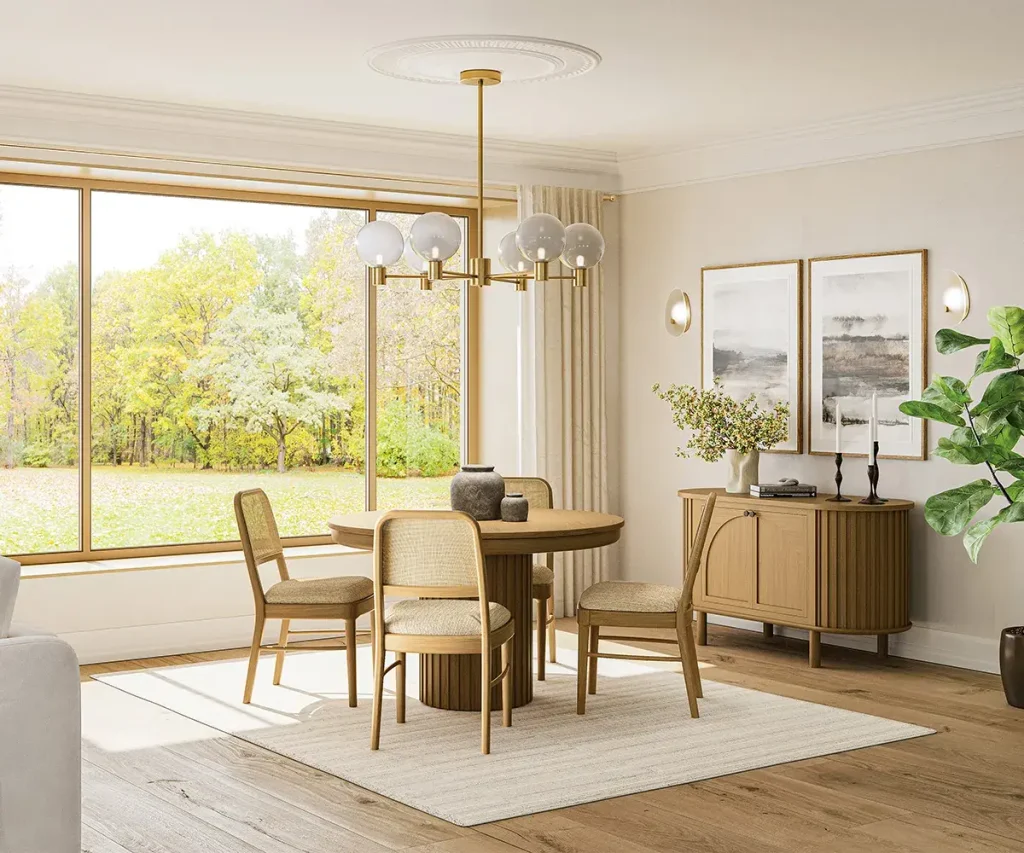
Standard sizes do not always suit real homes. Narrow dining rooms, open-concept layouts, built-ins, angled walls, and unusual traffic patterns may call for a more tailored approach.
Custom dining room furniture lets you choose dimensions, wood species, finish, table shape, seating, and storage that work for your space. This is especially valuable when you are investing in furniture meant to last for generations.
Choose Dining Furniture You Will Love Living With
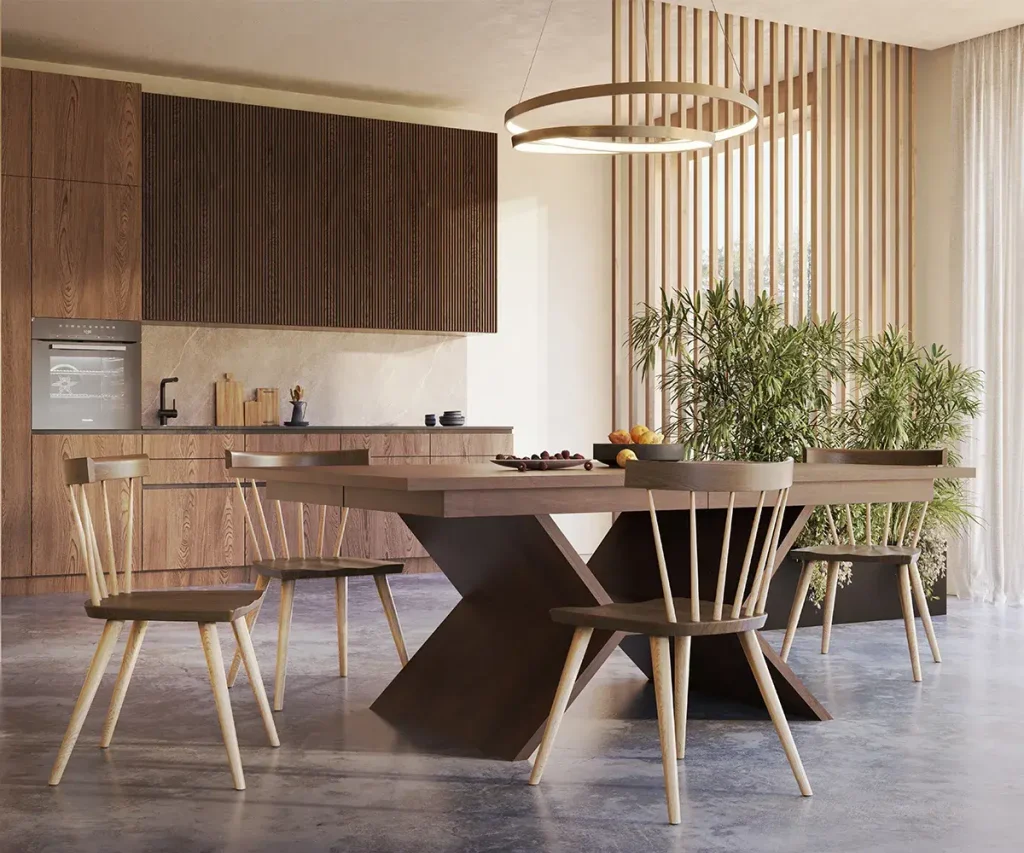
The best dining room furniture balances room size, seating needs, comfort, style, and craftsmanship. Start with your everyday routine, then create a plan for guests and special occasions. A well-chosen table, comfortable chairs, and thoughtfully placed storage can make your dining room one of the most welcoming spaces in your home.
Explore Amish Mercantile’s dining collections or visit the Johnstown showroom to see handcrafted options designed for the way you live. Amish Mercantile offers dining tables, chairs, benches, hutches, storage cabinets, custom furniture, and multiple wood and finish options.
[1] https://www.homesandgardens.com/interior-design/whats-the-best-dining-table-shape