
Creating a homeschool classroom means more than just adding a desk and textbooks. You’re building a space that helps your child stay focused, work independently, and feel curious. Teachers and homeschooling veterans know the importance of setting up a learning-rich environment. This type of atmosphere sparks internal motivation and creates curiosity about the world.
A Learning-Rich Environment
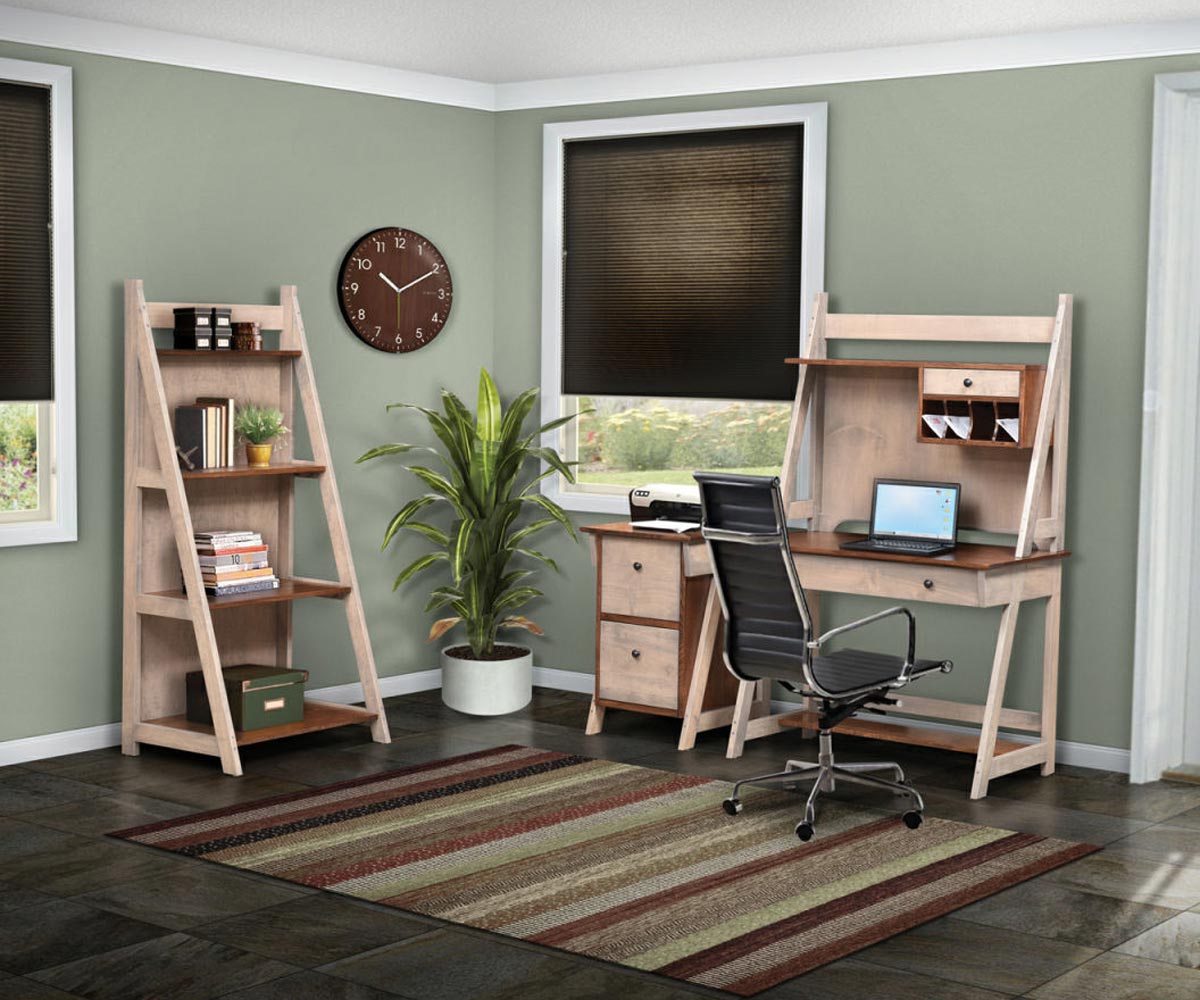
While homeschooling is highly customizable, designing a productive space still requires careful thought—especially when it comes to this essential question:
How can I stimulate my child’s curiosity without overwhelming them or the physical space we have available?
Some homeschool classrooms have so many things to explore—like posters, overflowing bookshelves, and messy art supplies—that it becomes hard for students to focus. A learning-rich environment will include at least a few of the following items.
- Books. Supplementing your curriculum with reading material on the same topics from the library is one of the best ways to spur internal motivation.
- Unique items like turtle skeletons, aquariums, or textured globes. As your child studies these unusual objects, they’ll begin to think of questions, laying the groundwork for future knowledge-building.
- Organizing systems. A well-organized space encourages independence and keeps the focus on learning, not searching for supplies.

To summarize, a good setting for learning will prime the student by helping them to feel safe, quietly engaged, and curious.
Supplies for a Homeschool Classroom
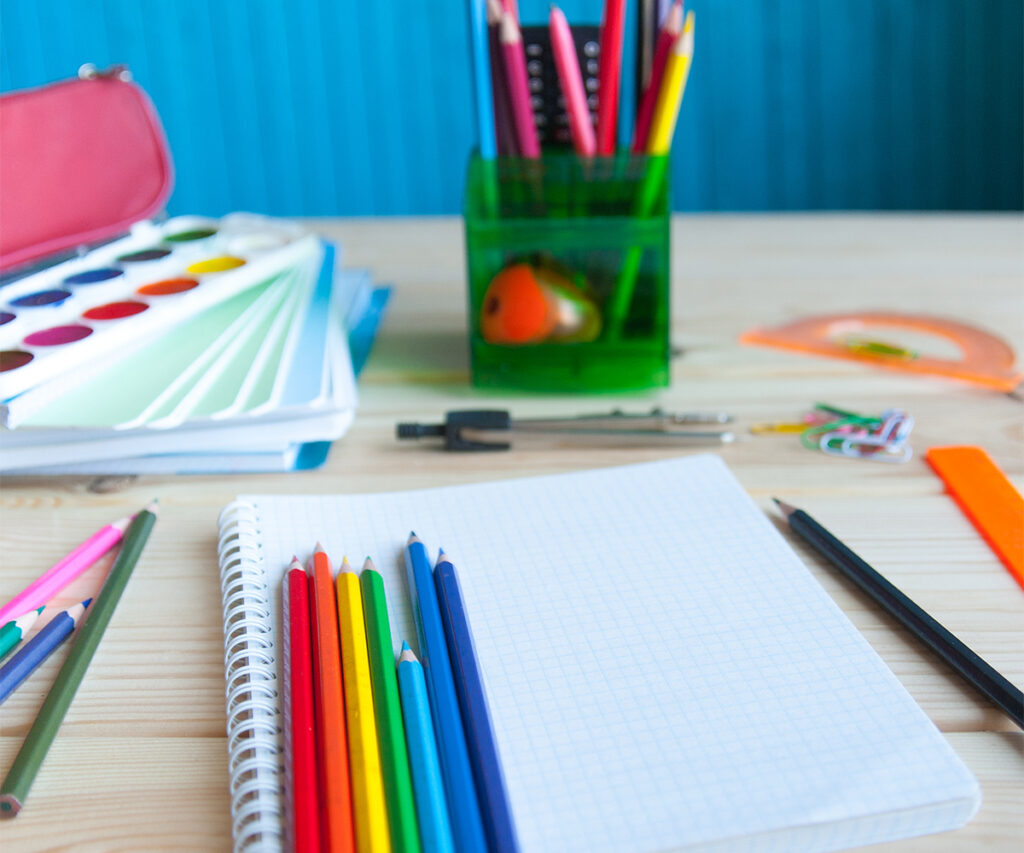
Obviously, every learning space will need three items: desks, chairs, and a medium for education—which can be technology or books. You can also add helpful supplies to support creativity, learning, and routines.
Creative expression. Students engage more deeply when they have ways to express what they’ve learned. Below are basic art materials that you may want to keep on hand.
- Colored pencils, markers, and crayons in an organized bin
- Paper—lined, printer, and watercolor—on trays
- Watercolors for painting habitats, cloud types, and landforms
- Modeling clay to fiddle with during a read aloud or to create reptiles, birds, or mammals
- Blocks or Legos as math manipulatives or physical science tools
Self-directed learning tools. Fill bins with objects, books, or supplies intended to encourage independent study. Here are ideas tailored to various age levels, but feel free to adapt.
- Math flashcards with a paper to document their progress
- Non-fiction on whatever your child is currently interested in—life on the prairie, marine animals, dinosaurs, or medieval castles
- Tactile activities like bubbles, chalk, water beads, and kinetic sand contained in trays; great for young students and eager preschoolers
- Games for specific subjects like Mad Libs (language & spelling), Yahtzee (math), Battleship (logic)
- Tangrams—paper manipulatives that teach children about shapes and how they fit together
Schedules and structures. Routines and structure can make it much easier for your child to learn. All students, even teenagers, take great comfort in schedules and organizational strategies. Below are some things to keep immediately handy or visible.
- Schedule. Some people post one schedule for the whole year, while others create a changeable plan on a chalkboard that varies day to day.
- Essential supplies. Keep math tools like rulers, protractors, and calculators for older scholars, plus basics like pencils, erasers, scissors, and maps—all readily on hand.
- Quiet time/Talking time. If several students work in the same room, divide the day into no-talking, normal-voice, and quiet-voice periods. A sign helps reinforce quiet time more effectively than constant reminders.
Storage
Once you have the materials, you’ll need smart storage to keep things organized and learning-friendly for your homeschool classroom. For vertical storage, place toys on lower shelves for young ones not yet in school, then resources you want your students to engage with on the mid-level shelves, and finally teacher’s manuals and messy art supplies on the top.
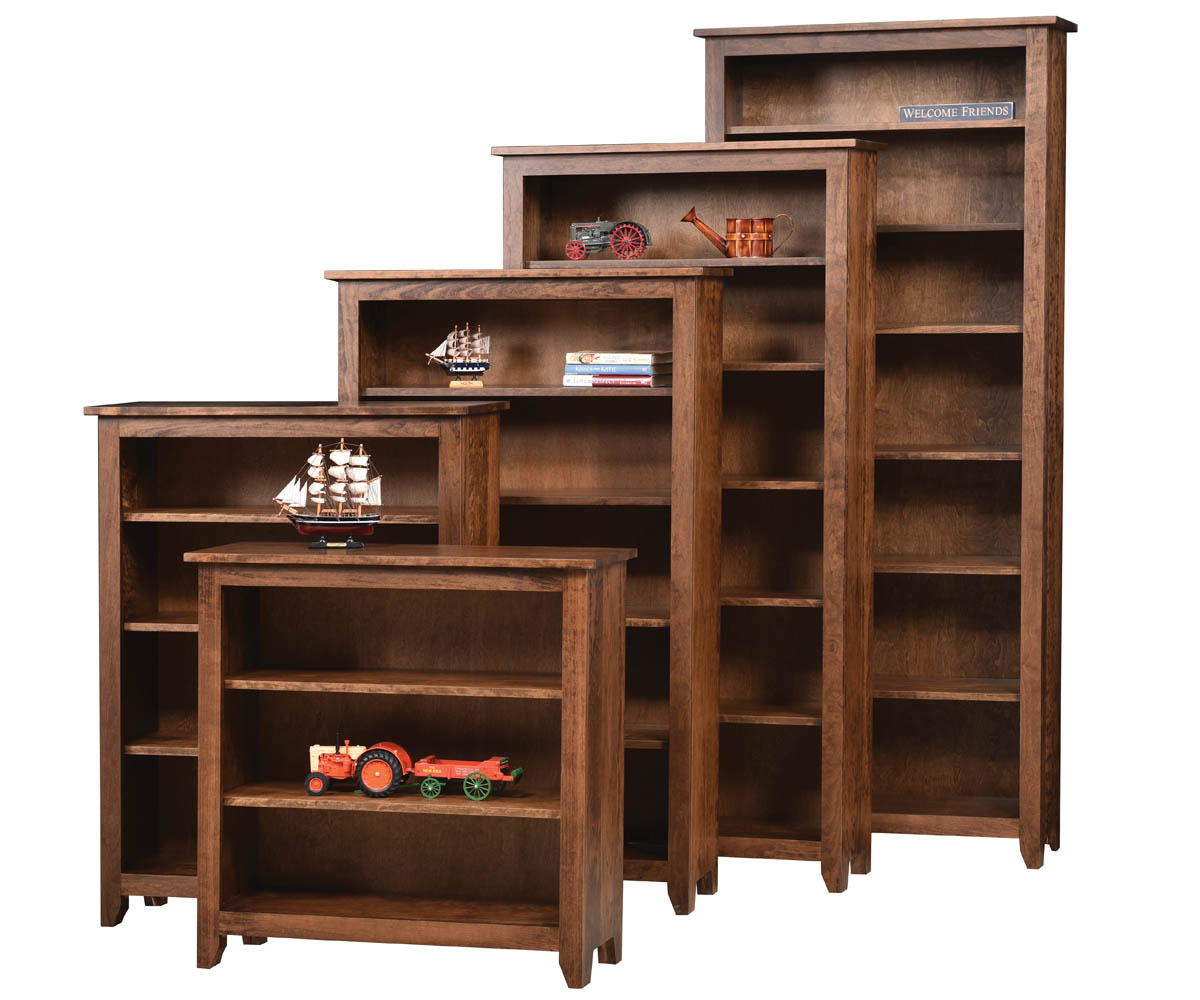
Bookshelves. This versatile furniture could be your entire system for your homeschool classroom. You can place bins, baskets, and commonly used manipulatives here.
- Multi-functional storage. If you’re based in a dual-use space like a dining room, consider adding a credenza, buffet, or hutch to store literature and crafts. They’ll fit in gracefully with the setting, but the cabinets make great places to put laptops and other items that need to be readily accessible.
- Containers. Invest in bins, baskets, and cubbies that work well for you and your children. Well-labeled containers give children a system they can understand and use—making cleanup easier for everyone.
- Shelving. For small rooms, bracket or picture frame shelves work well. Ikea has picture frame shelves that display picture books well and have just enough room for mason jars of pens and markers.
- TV Stands. When your homeschool classroom relies on technology, you might find a TV stand with built-in cabinets helpful.
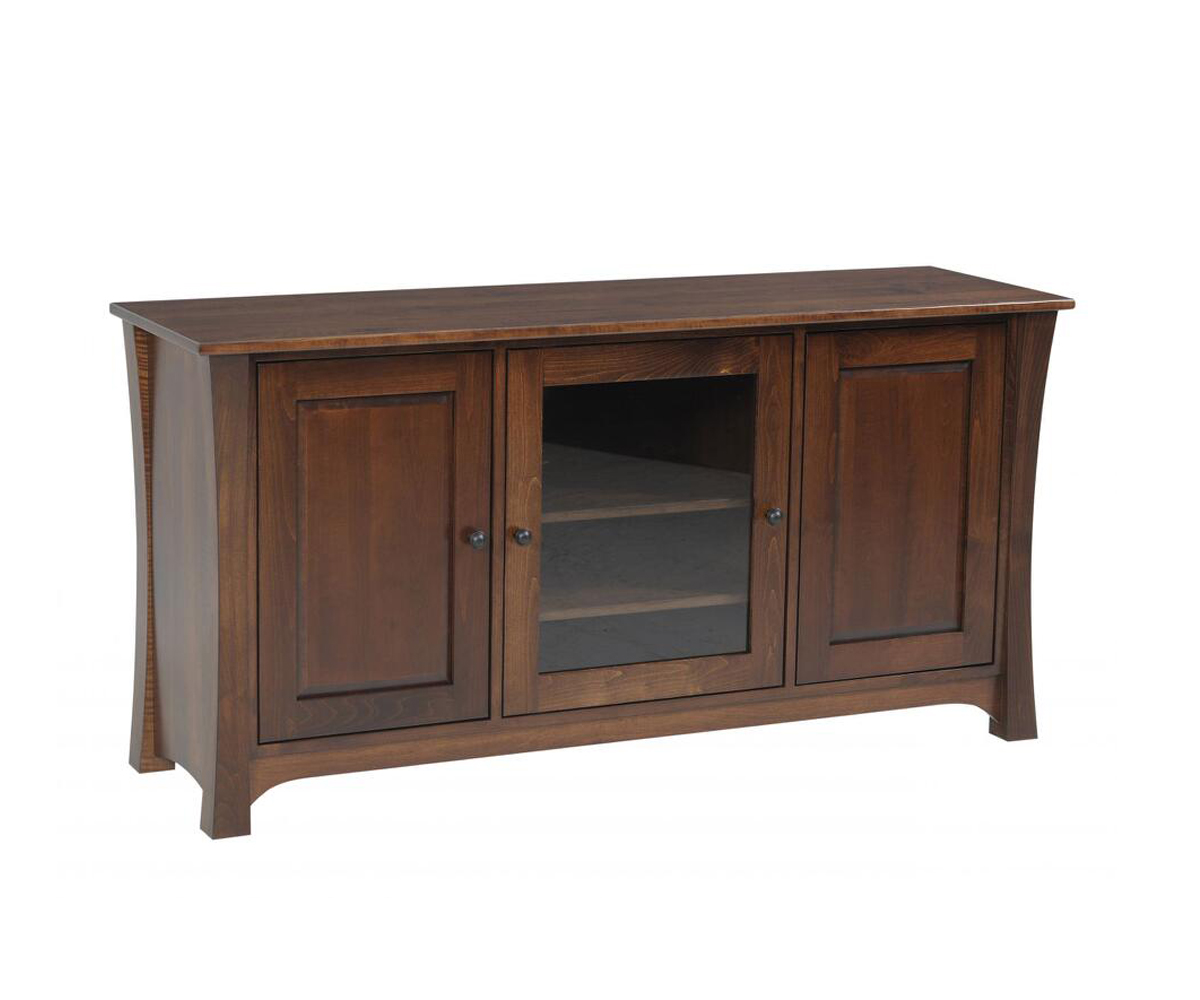
When it comes to storing things, you’ll find that many different types of furniture can help you achieve the set-up you want. Even something as unusual as a tater bin or bread box might be just the organizational hack for your homeschool classroom. In fact, using varied shelving and drawers can help you strike a balance between accessibility and out of sight.

Desks
Desks are one area where one size definitely doesn’t fit all. Some families set up their homeschool classrooms around the kitchen or dining room table, while others prefer individual desks for each child. The right choice depends on your space, your child’s learning style, and your daily routine.

For younger students a small desk is useful for short stretches of individual seat work. The rest of the time, they may do better sitting near a parent or sibling at a shared table.
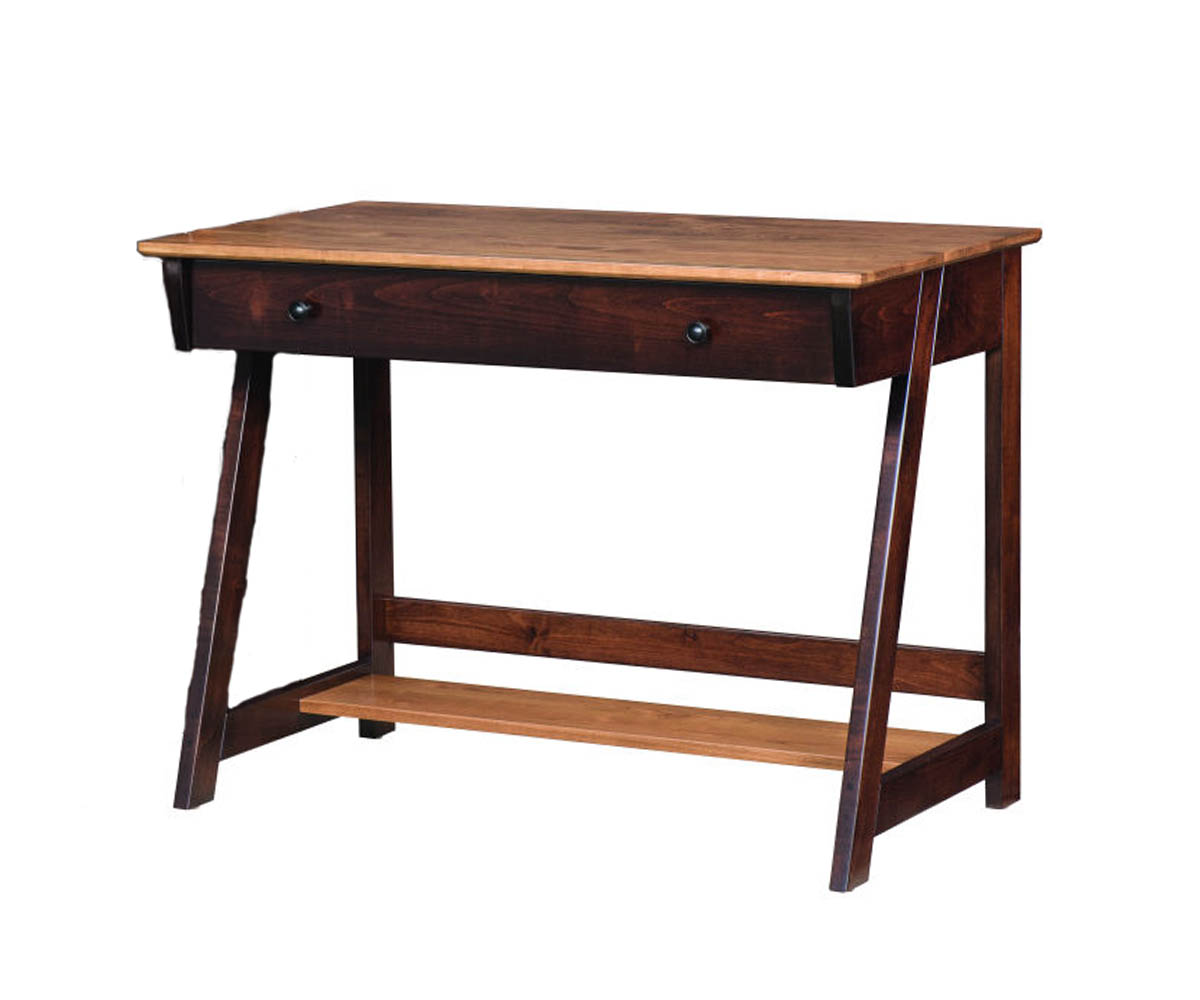
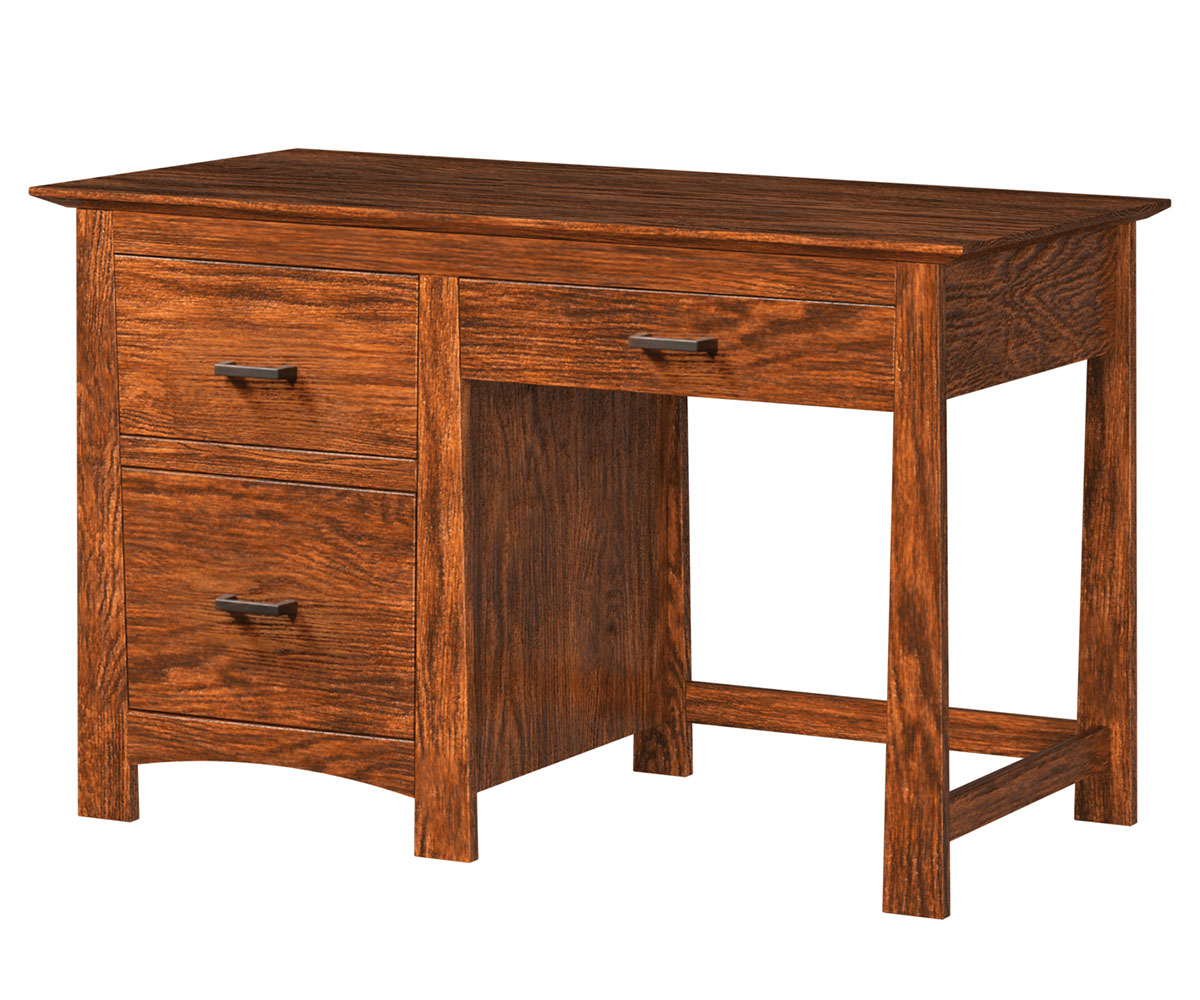
As your children get older, consider investing in a more durable desk they can make their own. Many student desks come with shelves, drawers, or cubbies—great for students who like to organize their materials or decorate their space.

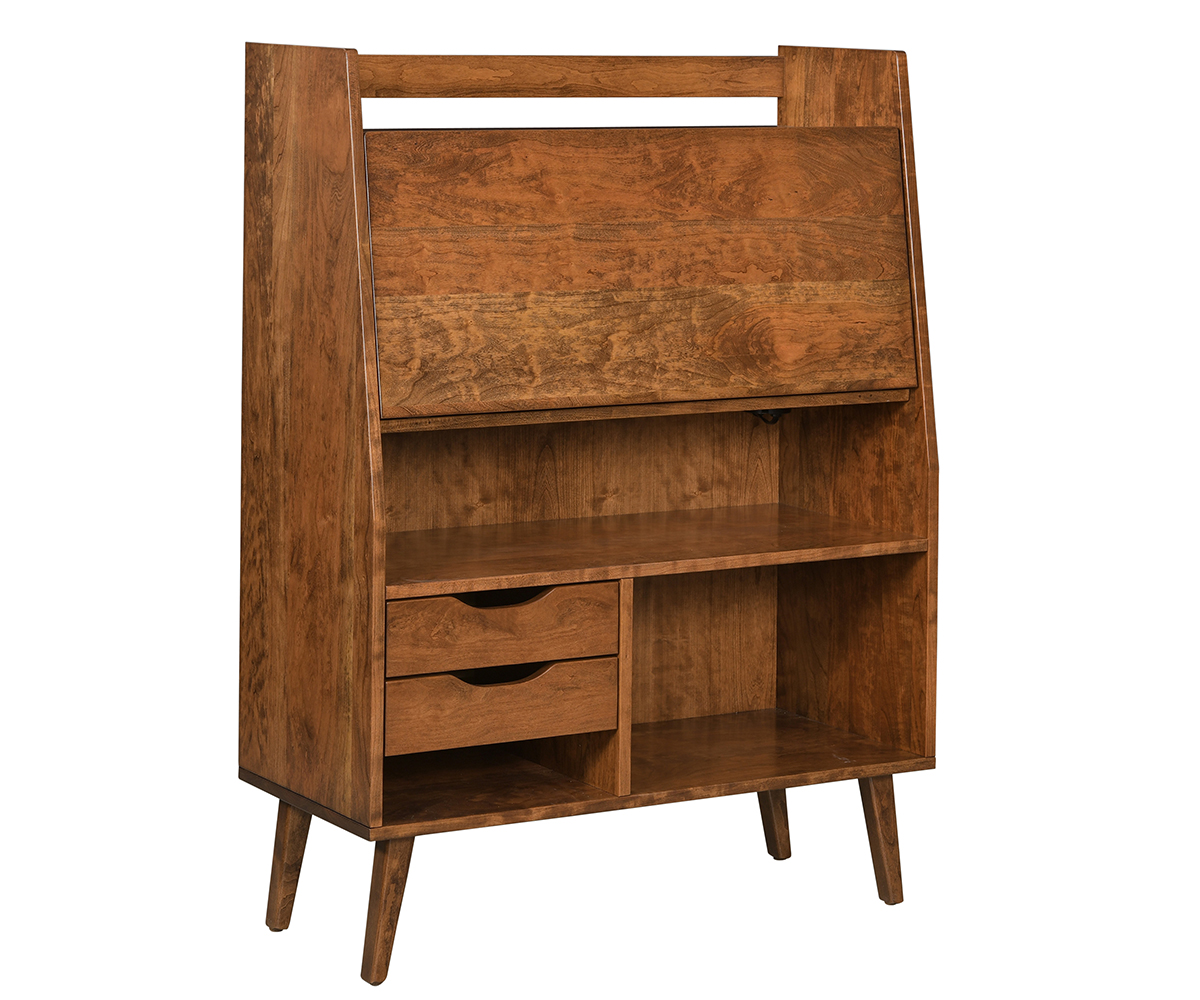
Fidgety preteens and teens may benefit from a standing desk. You can find both permanent models and adjustable versions that let students alternate between sitting and standing.

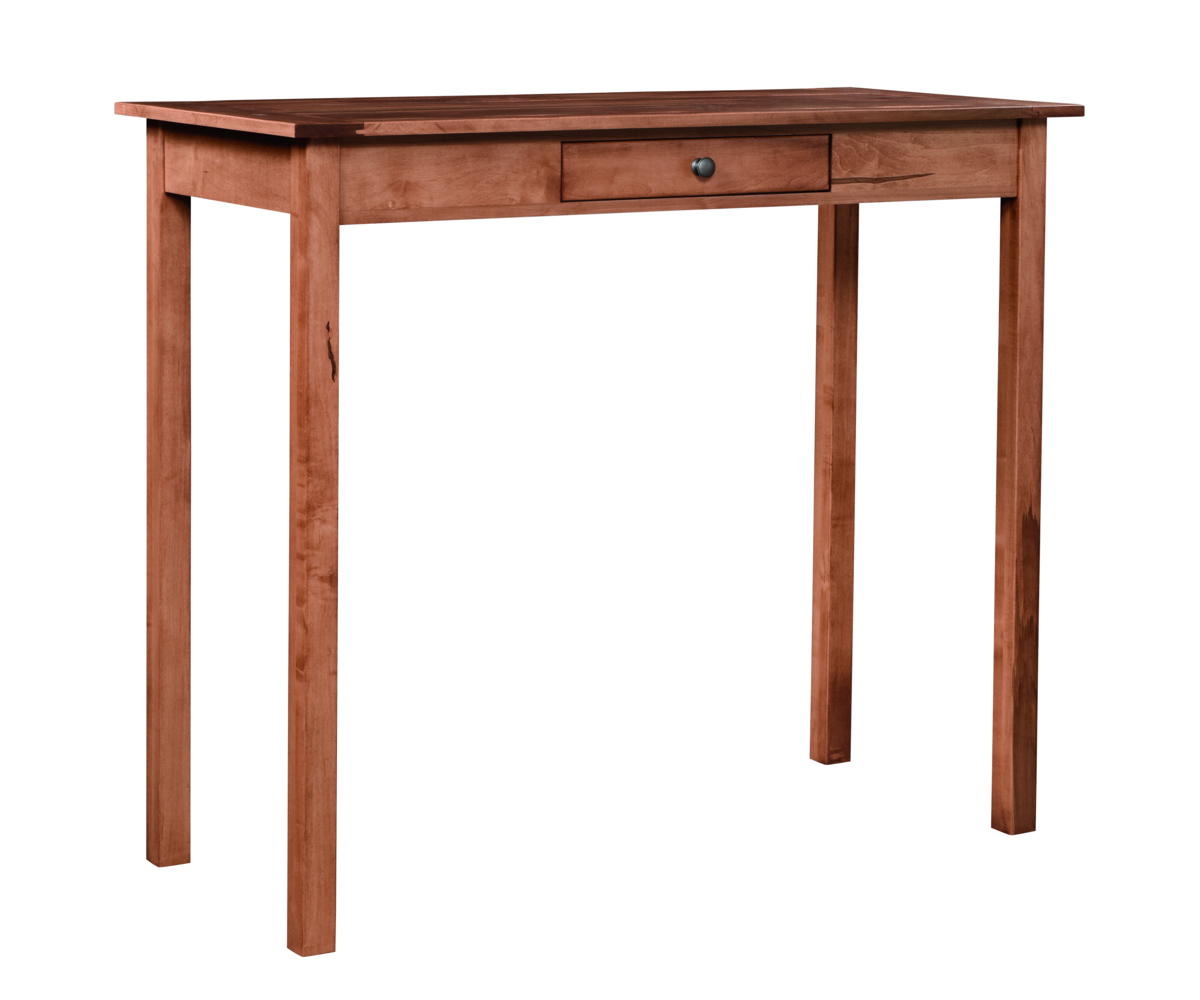
Finally, for students who enjoy working with others, a simple table encourages collaboration and gives them room to spread out materials.

Finishing Touches
And finally, you may want to consider just a few more features to make the learning environment more functional and enjoyable.
- Accessibility: stepstools and cookbook stands
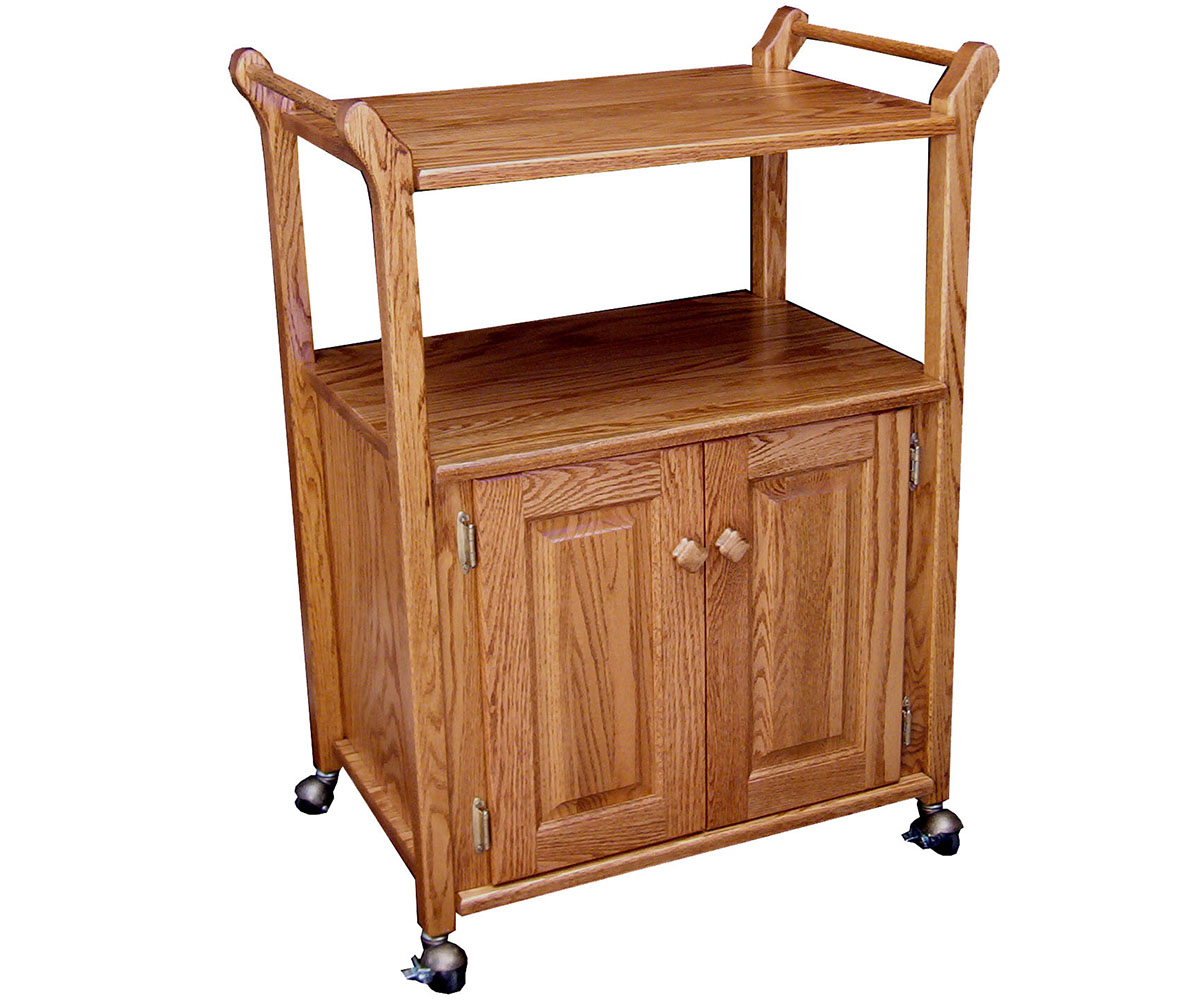
- Flexibility: Utility carts and bean bags
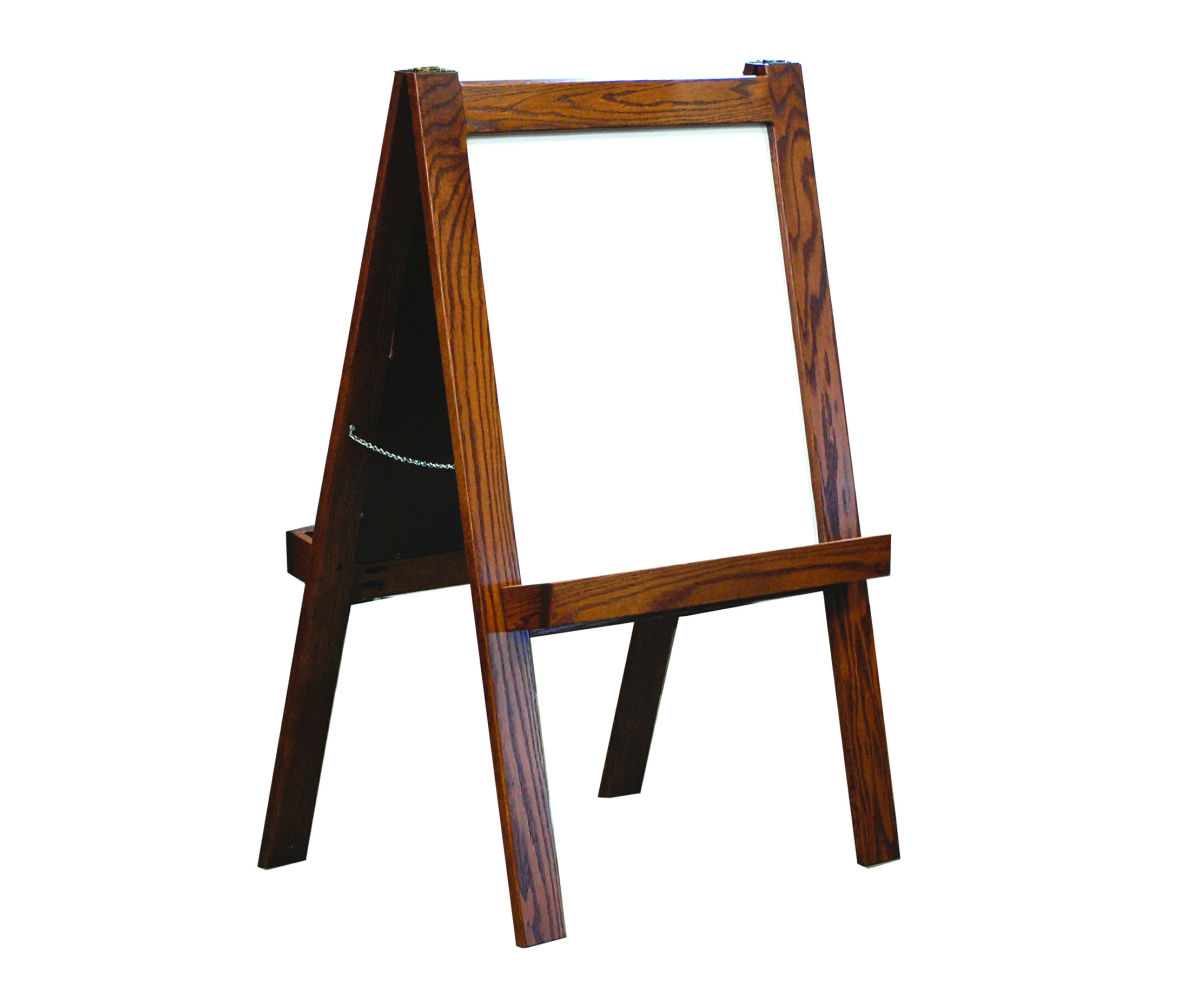
- Interactive learning: Bluetooth speakers, whiteboards, and easels
At the end of the day, a homeschool classroom doesn’t have to be Pinterest-perfect to be just right. Whether you’re starting with a single shelf and a corner of the dining room or creating a dedicated space from scratch, each small choice adds up to something meaningful. With a little intention and flexibility, you’ll build a place where your child feels ready to learn, explore, and grow—one day at a time.
