
While wood furniture adds warmth and character to any room, issues like marks, scratches, stains, and fading can appear quickly if surfaces are left unprotected. Harsh cleaning products or too much water can also strip natural oils and dull the finish.
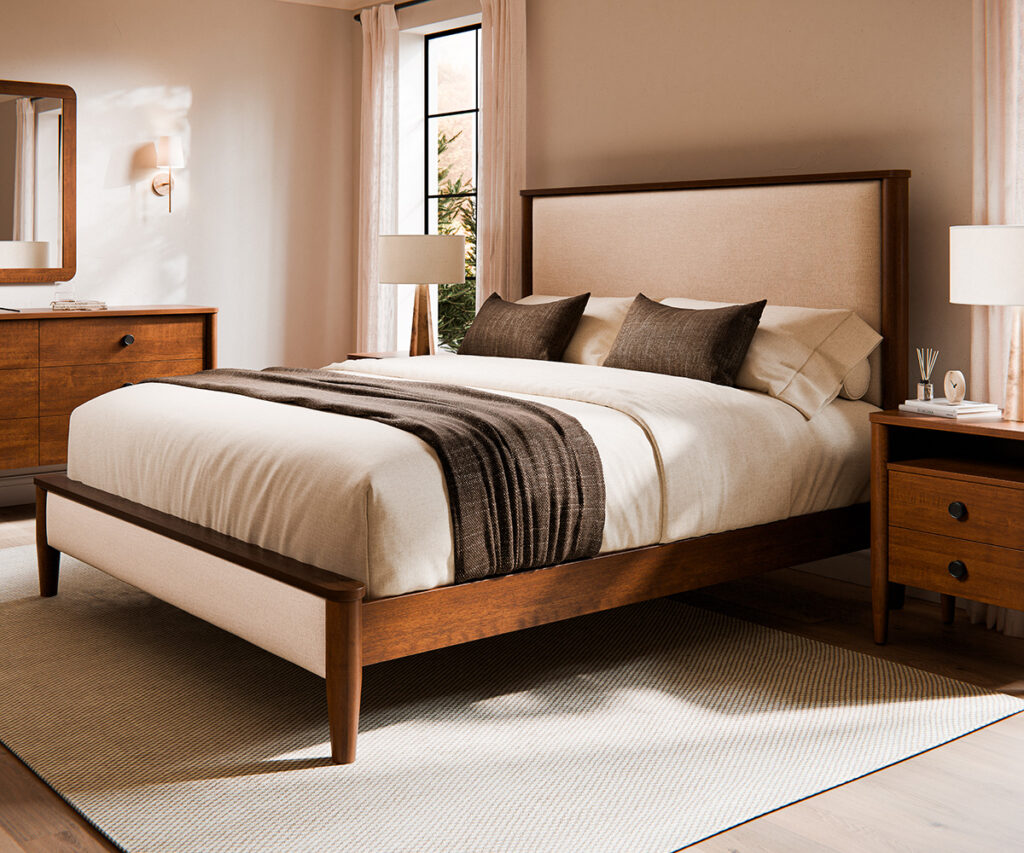
While hardwood furniture is made to last a lifetime, it takes a bit more than occasional dusting to care for wood furniture. Soft cloths, mild cleaners, avoiding heat, limiting sun exposure, and checking hardware help prevent damage. When you care for wood furniture well, it can last for decades. The following wood care guide shares tips on how to achieve this.
How to Care for and Maintain Hardwood Furniture?
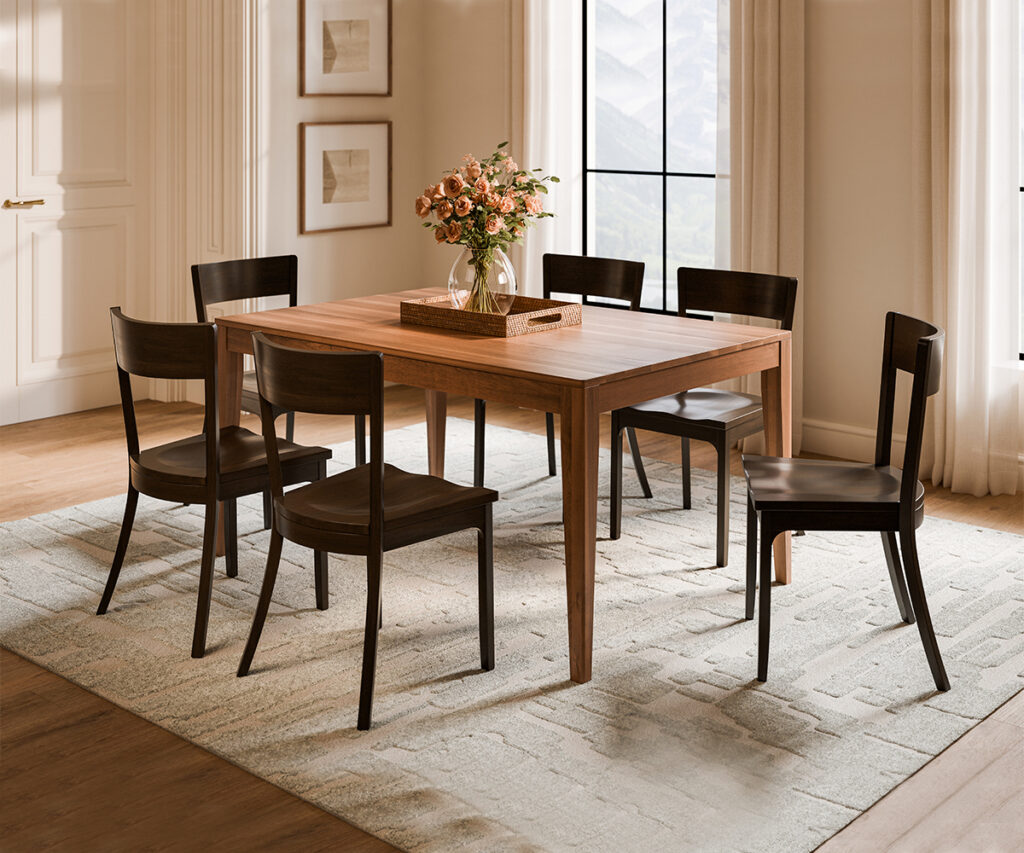
As beautiful as wood furniture looks in your house, it’s also sensitive to factors like light and moisture. Proper maintenance and care protect the wood from scratches and warping while keeping its natural beauty.
Let’s look at what you need to do.
Clean Hardwood Surfaces
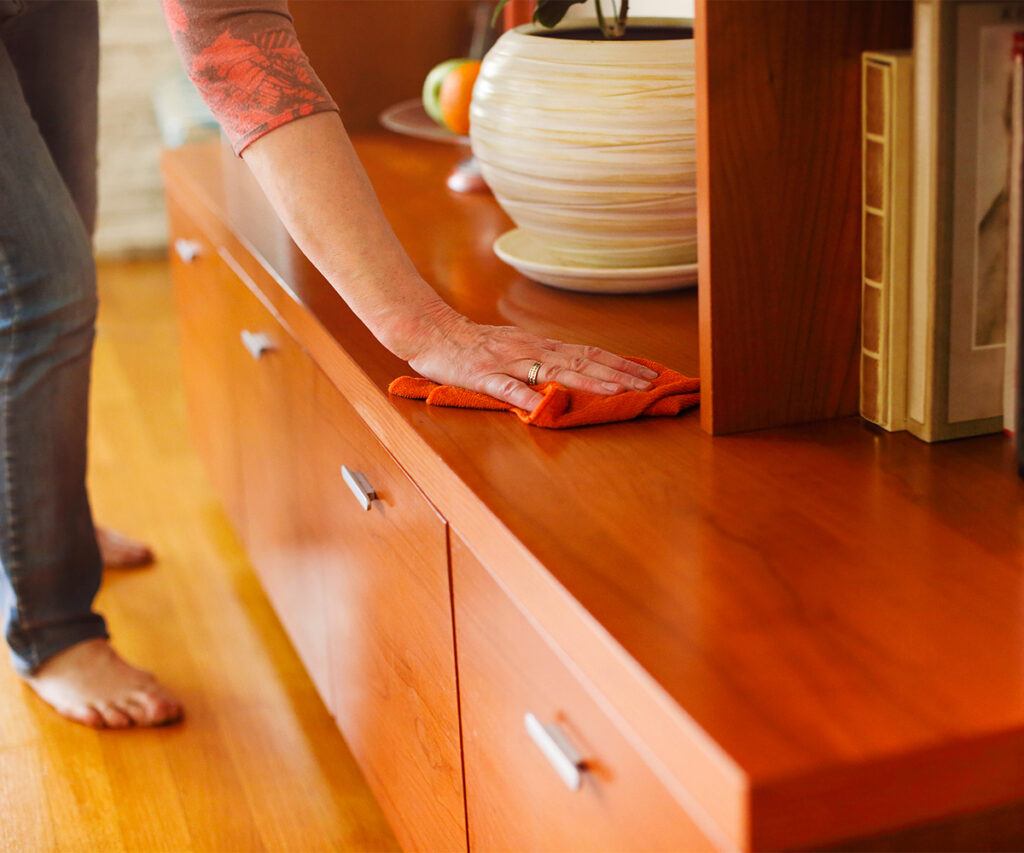
Dust your wooden furniture regularly to prevent dirt from scratching the finish. Use a soft, dry cloth or a slightly dampened microfiber cloth. Avoid harsh chemicals and products with ammonia or bleach, as they can damage the wood’s surface.
You can use a mixture of mild soap and water instead. Apply the solution with a soft cloth and wipe off any excess moisture immediately.
Don’t let moisture sit on wood for too long, as it can cause swelling and warping. Also, dry the surface thoroughly afterward.
Polish the Hardwood
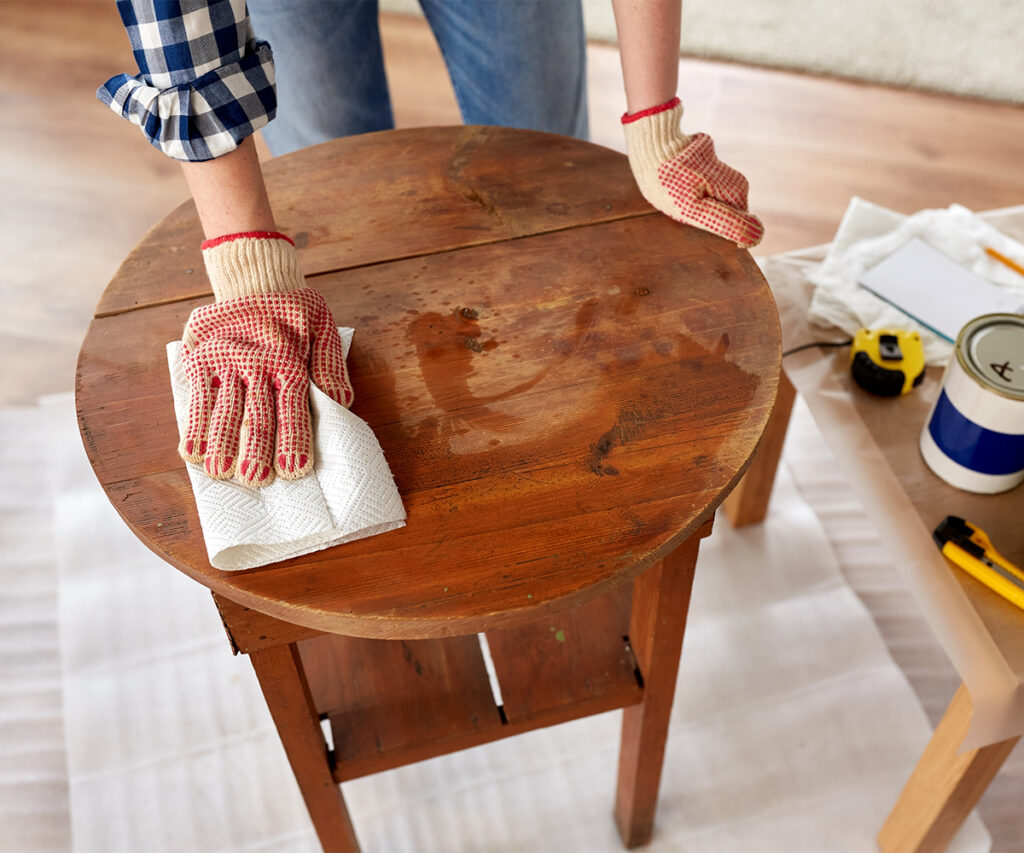
Over time, wood may lose its natural luster, but polishing can bring it back. Please note that waxing is the preferred method for most woods and if done properly does not need to be done often. Too much polish or wax can cause undesirable build-up. Choose a wax or polish designed for the type of wood you have. Apply thin layers, working with the grain, and buff gently.
The following wood care guide table tells you which wax to use for different wood types, but please consult the builder or retailer you have purchased your furniture from, if possible. They will have more experience with the wood and finish on the product.
| Wood Type | Recommended Product Type |
| Oak | Paste wax or natural beeswax |
| Maple | Liquid furniture polish |
| Cherry | Oil-based wax |
| Walnut | Paste wax |
For decorative items or chairs and tables, place felt pads under their legs to protect their undersides. Similarly, for coffee tables or armrests, use protective mats and coasters to prevent water rings from beverages.
Avoid Warping and Water Damage
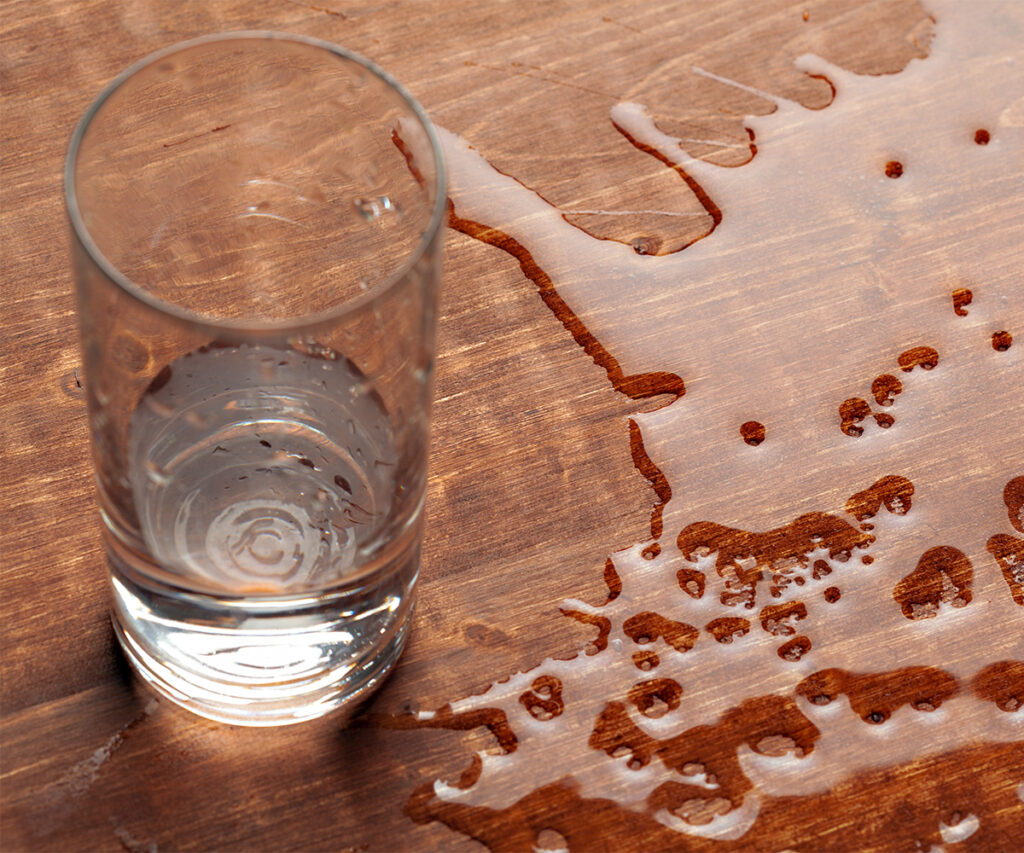
Humidity changes cause wood to expand or contract. Here’s how to prevent warping that often results from this:
- Keep hardwood furniture away from heaters and radiators.
- Maintain stable indoor humidity using a humidifier in winter and ventilation in summer.
- Wipe spills immediately, as water or other liquids seep into wood pores and cause permanent swelling.
Let’s be real: spills are inevitable. But the way you deal with them on wood furniture determines your furniture’s longevity. Blog the area gently rather than rubbing. Then, dry it completely.
Seasonal Care
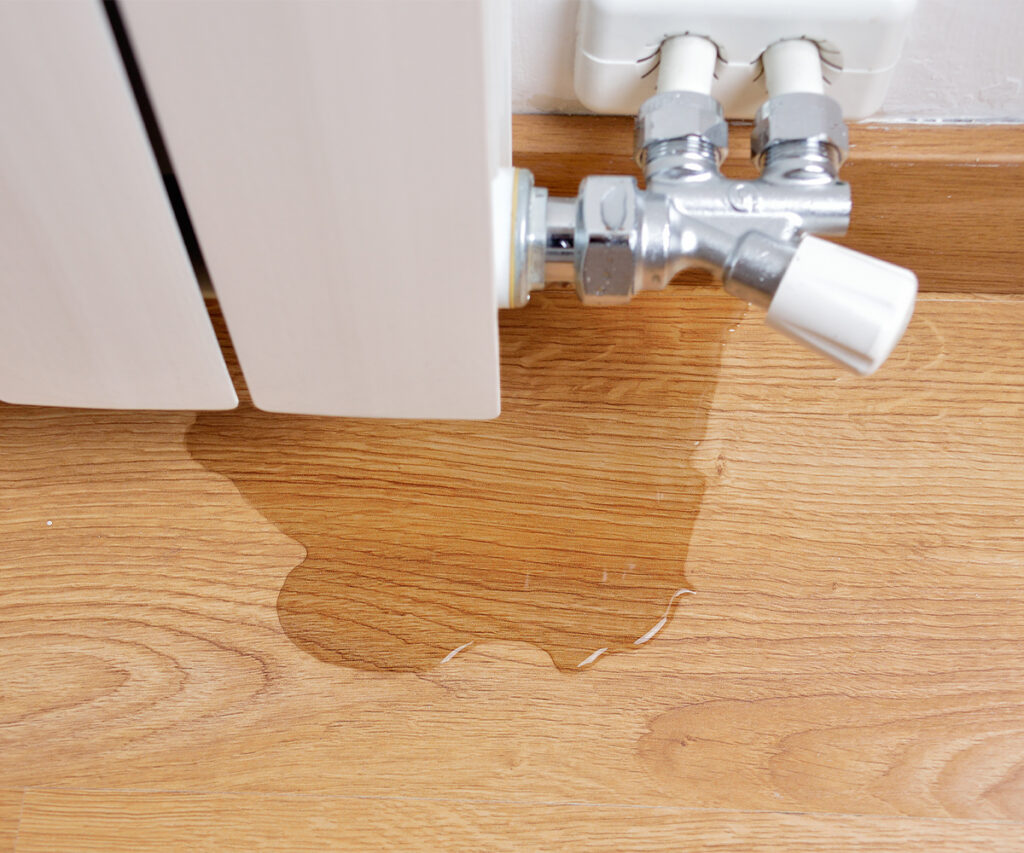
Columbus experiences hot, humid summers and dry winters, which can affect hardwood furniture. Summer humidity can cause wood to swell, while winter dryness may lead to cracking or shrinking.
The following wood care guide tips help in different seasons:
- Check the joints and hardware of your furniture each season.
- Tighten loose fittings to avoid wobbling or stress on the wood.
- Rotate decorative objects regularly to prevent uneven fading from sunlight.
- Use curtains to protect the surfaces of furniture kept close to windows.
In winter, a humidifier can reduce the risk of splitting caused by dry indoor air. As for summer, proper ventilation and occasional air conditioning help prevent excess moisture that could warp wood.
Regular Inspection
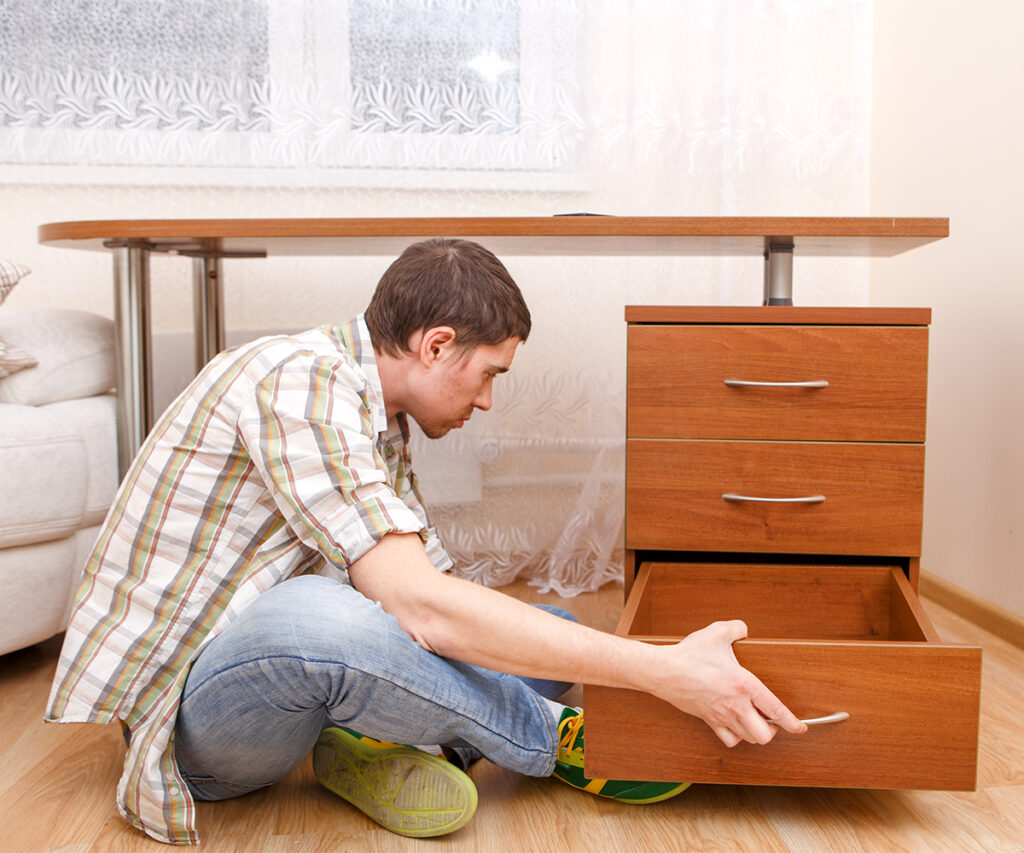
Inspect your furniture for scratches or other signs of wear at least every few months. Small scratches can often be corrected with a matching wood touch-up pen or a light sanding followed by polishing. Larger cracks or warping may require professional attention to avoid permanent damage.
Do’s for Protecting Wood Furniture
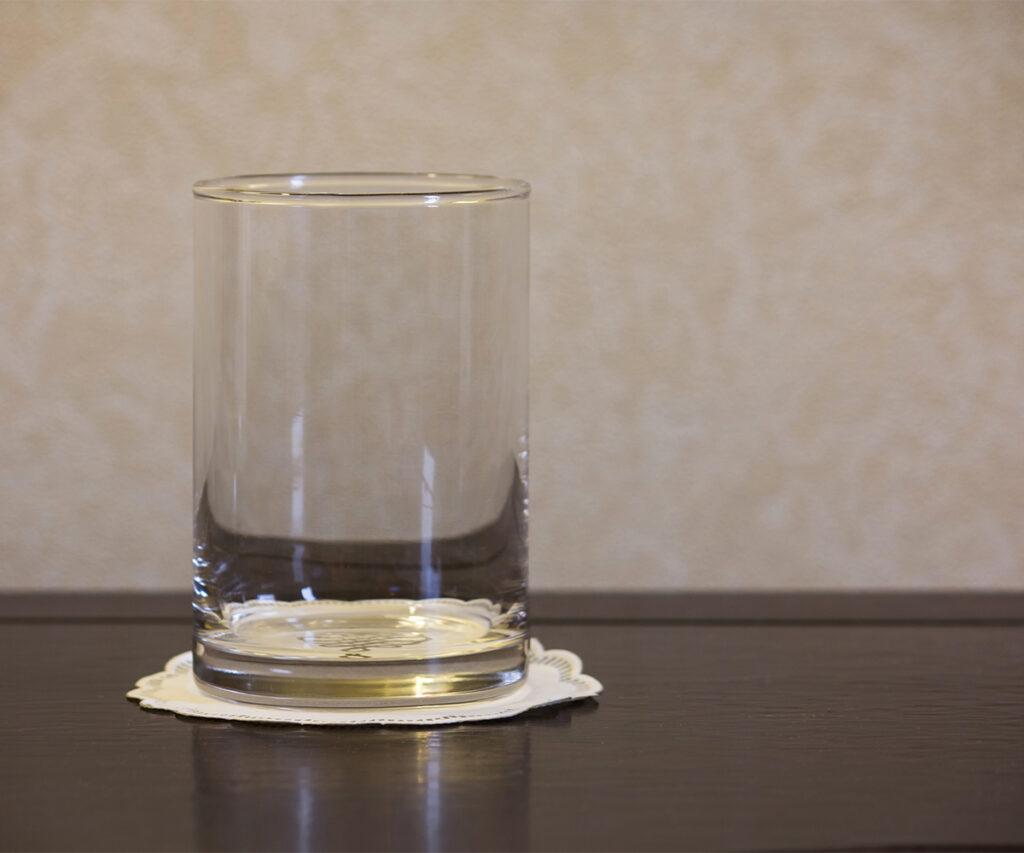
A lot of things in your house can damage wood furniture, including daily use and kids or pets. The following dos keep the furniture safe:
- Trim pet nails regularly to avoid scratches.
- Use coasters and tablecloths to protect surfaces from spills and heat.
- Place felt pads under furniture legs and decorative items.
- Rotate items like rugs, pillows, decor, and mats to prevent uneven fading from sunlight.
- Clean spills immediately using a soft cloth.
Don’ts for Protecting Wood Furniture

Just like do’s, there are a few don’ts that can keep your wood furniture looking good for long. Let’s take a look:
- Don’t place hot dishes or cups directly on wood surfaces.
- Avoid harsh chemical cleaners and ammonia-based products.
- Don’t drag furniture across the floors. Lift it instead.
- Keep furniture away from direct heat sources like radiators or air vents.
- Don’t allow pets to chew or claw at furniture.
- Avoid excessive water during cleaning.
How to Refinish or Refresh Old Wood Furniture
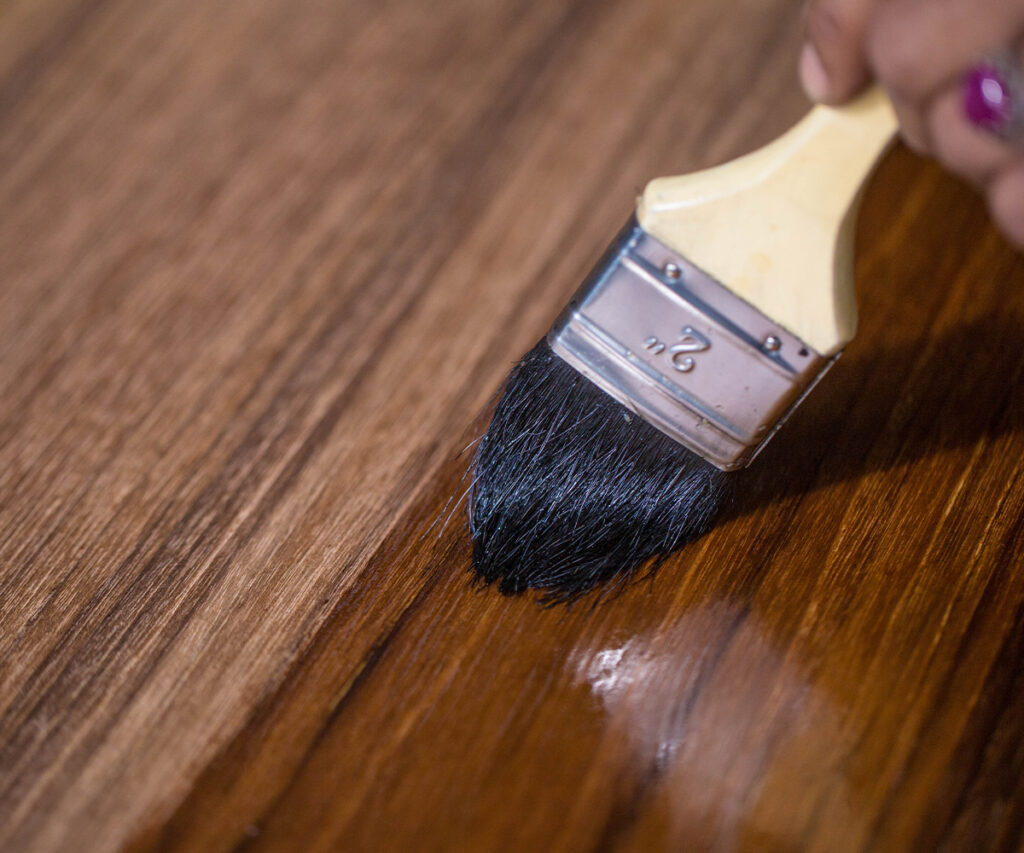
There are a few ways to bring old wood furniture back to life. The three most common ones are:
- Staining
- Waxing
- Repairing
You can use one or a mix of three to refresh your furniture and preserve its natural character.
When to Stain
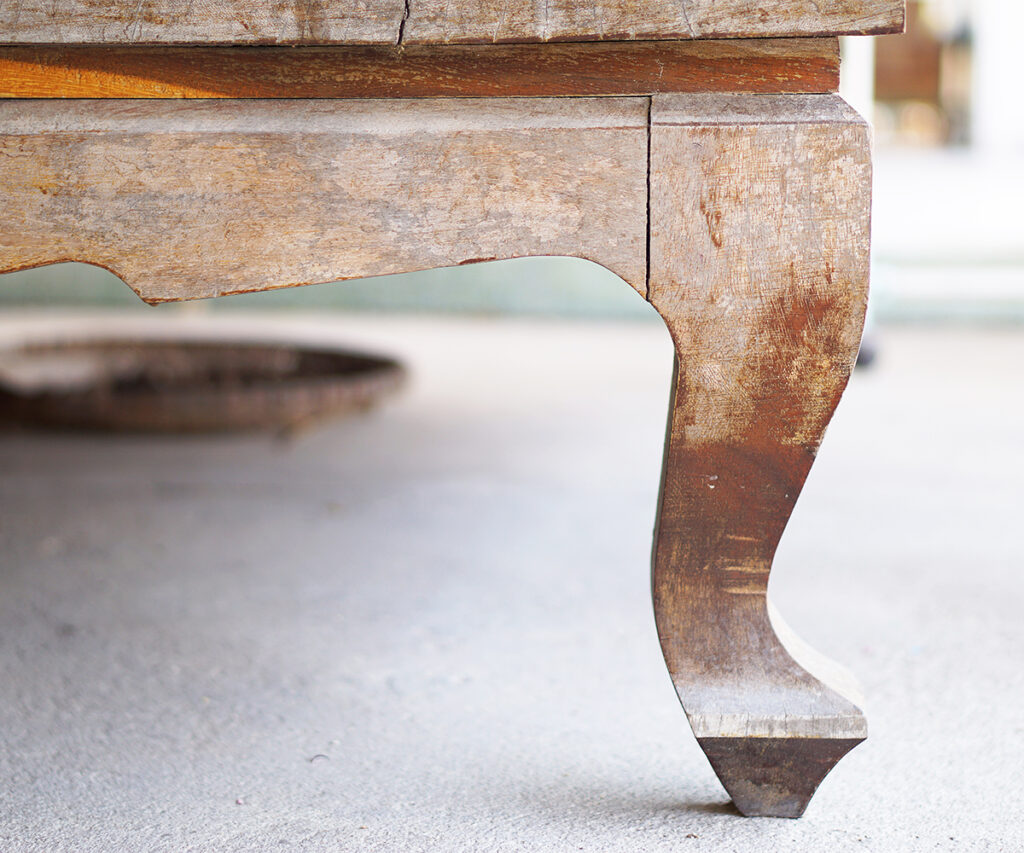
Staining is useful for faded or discolored surfaces, or when you want to change the wood tone slightly. If you notice uneven color and sun-bleached areas, it may be time to stain.
Here’s how to do it:
- Test the stain on a small hidden area first to check the color.
- Sand lightly to remove the top layer of old finish.
- Choose a stain suited for the wood type and desired color.
- Apply evenly with a soft cloth or brush along the grain.
- Allow adequate drying time before applying protective layers.
When to Wax
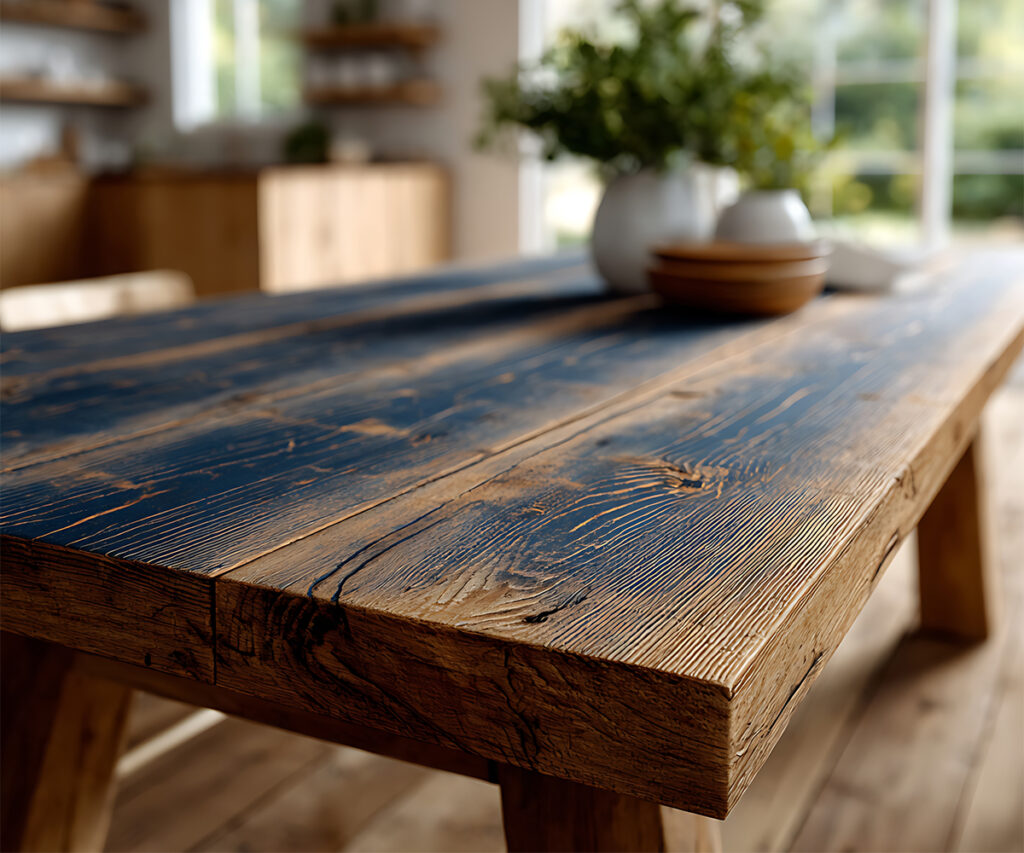
Waxing restores luster and protects surfaces from moisture and minor scratches. Use it on furniture that still has a sound finish but looks dull or dry.
Again, clean the surface before waxing. Then, apply a thin layer of the suitable wax with a soft cloth. Buff it gently to a subtle shine, and you’re all done.
When to Repair
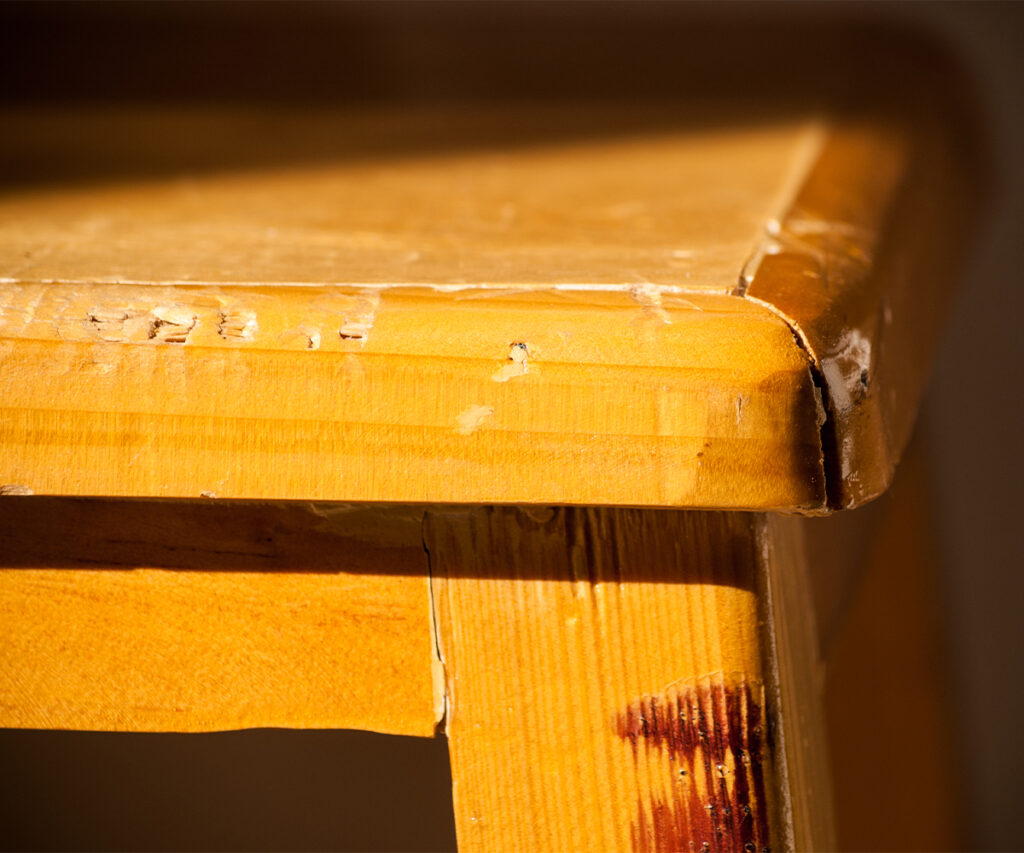
Sometimes, waxing and staining don’t do much. If joints are loose or you see cracks and wood splits, your furniture needs repairs.
The exact repair will depend on whatever is wrong. For example, tighten loose screws and fittings if the furniture feels wobbly. If there are dents in it, fill them with wood filler that matches the wood’s tone. In case of extensive damage, get professional repair services.
Conclusion
Wood furniture rewards careful attention with beauty and durability that lasts decades. So, clean your furniture regularly and provide it with seasonal care to keep its natural shine intact. When you might feel like DIY efforts on this wood care guide aren’t working anymore, get professional help before more damage occurs.